
warm white vs cool white lighting bedroom
In this guide, we’ll explore warm white vs cool white lighting in the bedroom through 9 key aspects, helping you understand how color temperature affects mood, sleep quality, style compatibility, and daily comfort. Whether you’re redesigning your master suite or refreshing a guest room, these insights will help you create the perfect glow.
What Warm White and Cool White Actually Mean
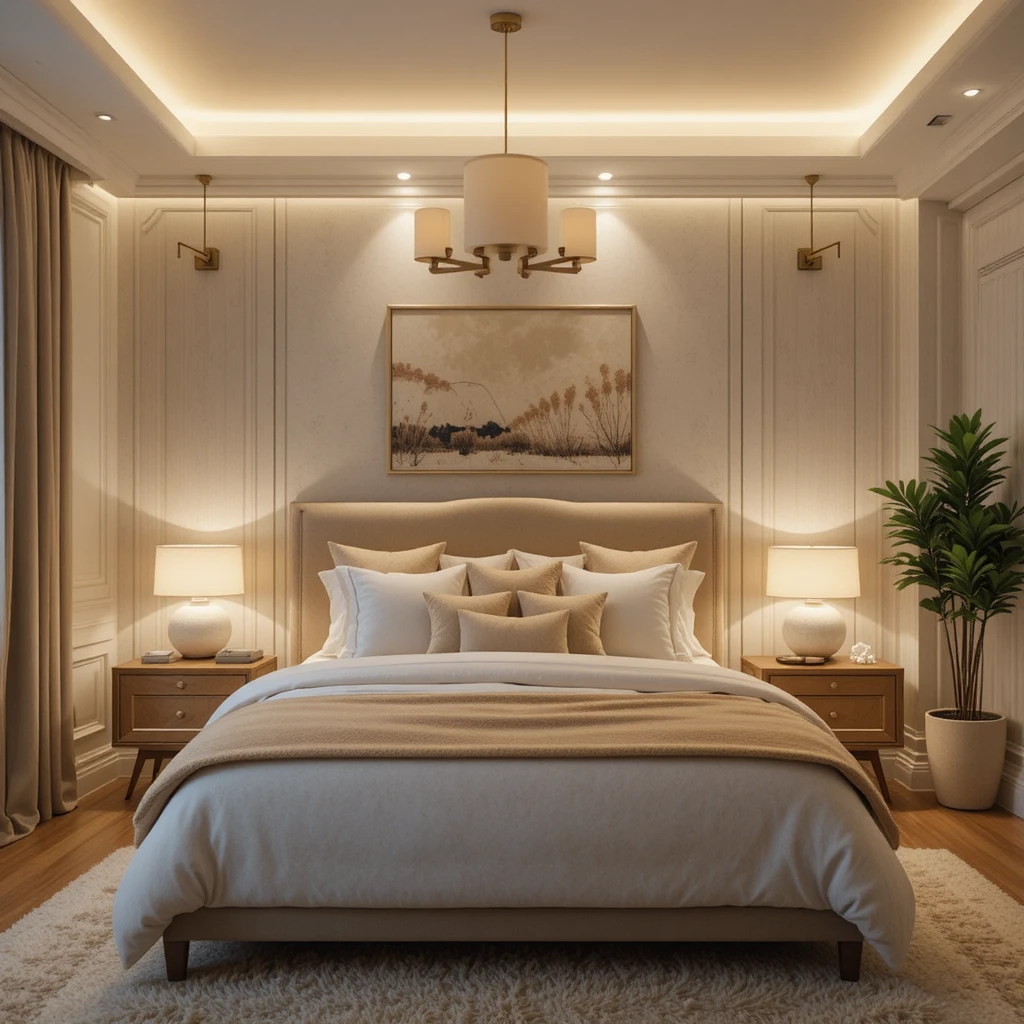
- Warm white typically ranges from 2700K to 3000K (sometimes up to 3500K). It produces a soft, yellowish-amber glow similar to traditional incandescent bulbs, candlelight, or sunset.
- Cool white (also called bright white or daylight) ranges from 4000K to 6500K. It emits a crisp, bluish-white light that mimics midday sunlight or fluorescent office lighting.
Lower Kelvin = warmer/yellower light. Higher Kelvin = cooler/bluer light. This temperature scale directly influences how your eyes and brain perceive the space.
The Mood & Relaxation Impact

Warm white lighting is the go-to choice for most bedrooms because it promotes calm. The soft, golden tone lowers cortisol levels, reduces eye strain, and signals to your body that it’s time to unwind. Studies show that exposure to warmer light in the evening supports natural melatonin production, helping you fall asleep faster and enjoy deeper rest.
Cool white lighting, by contrast, is alerting. The blue-heavy spectrum suppresses melatonin and keeps the brain in “day mode,” which is great for morning routines but can make evenings feel restless or overstimulated.
If your goal is a peaceful sanctuary, warm white usually wins.
Sleep Quality: The Circadian Rhythm Connection

Your bedroom lighting directly affects your circadian rhythm—the internal clock that regulates sleep-wake cycles.
- Warm white (especially 2700K–3000K) minimizes blue light exposure at night, preserving melatonin and supporting healthy sleep patterns.
- Cool white (4000K+) contains more blue wavelengths, which can delay sleep onset by 30–60 minutes or more if used in the evening.
For better sleep hygiene, experts recommend switching to warm white bulbs or using dimmable/smart lights that gradually warm as bedtime approaches.
How They Affect Perceived Room Size & Cleanliness
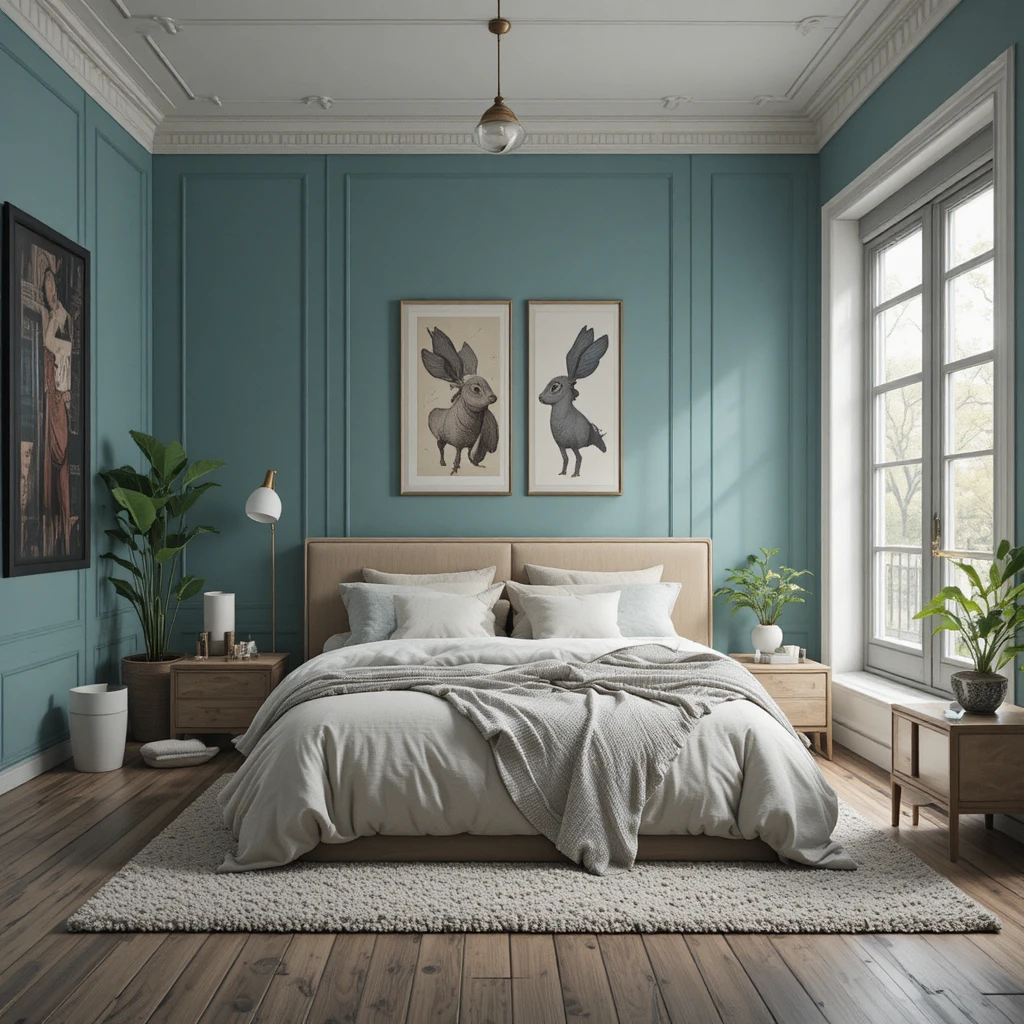
Cool white light reflects more sharply and can make small bedrooms feel larger, airier, and more modern. It highlights details clearly and gives a crisp, clean appearance—ideal for minimalist or contemporary spaces.
Warm white, however, creates intimacy. It softens shadows, makes textures feel richer, and turns even large rooms into cozy nests. It’s especially flattering in rooms with natural wood, textured fabrics, or earthy tones.
Style & Decor Compatibility
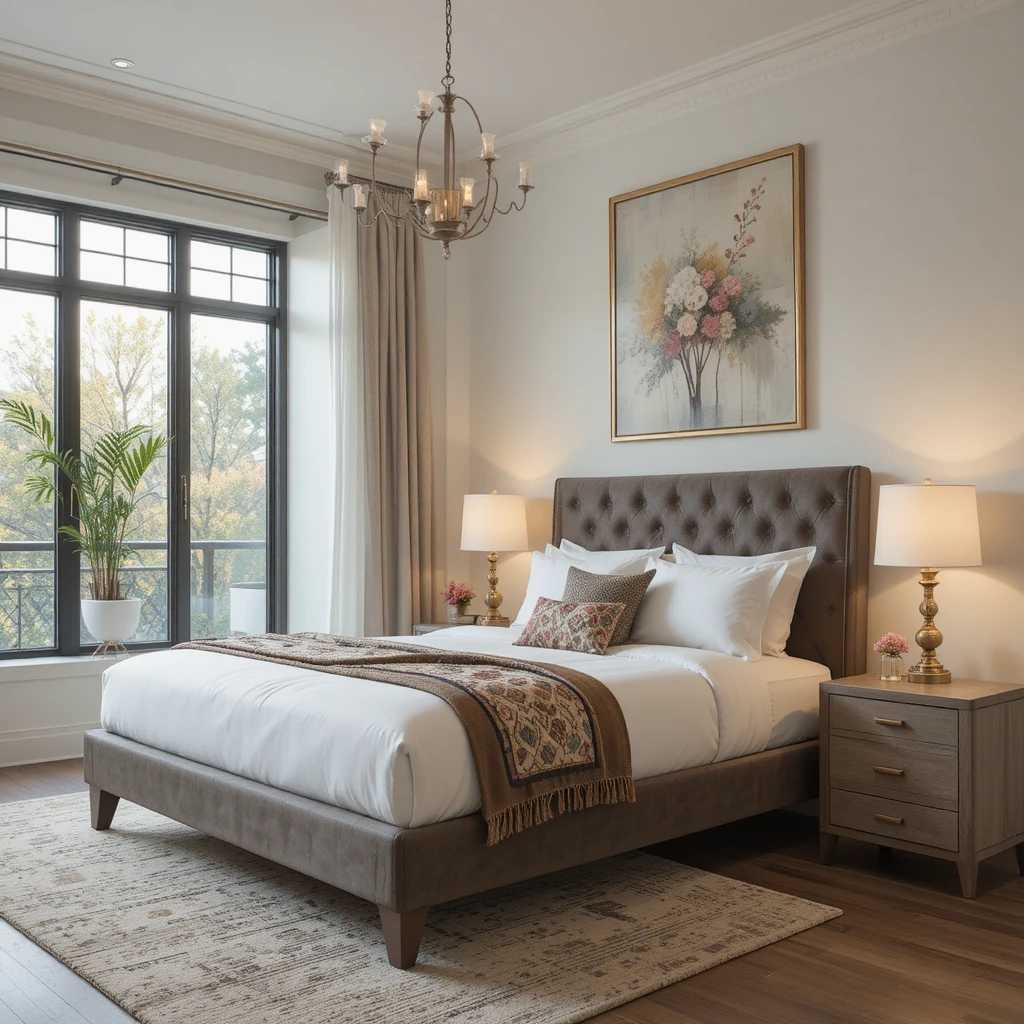
- Warm white pairs beautifully with traditional, rustic, bohemian, French country, vintage, or cozy maximalist bedrooms. It enhances warm neutrals, wood tones, deep reds, golds, and soft pastels.
- Cool white complements modern, Scandinavian, industrial, minimalist, or high-tech aesthetics. It shines with whites, grays, blues, metallics, and clean lines.
Many designers now recommend warm white for primary bedrooms and a mix (cool white in closets or vanities) for functionality.
For more style-specific inspiration, explore our modern bedroom ideas or rustic home decor ideas.
Task Lighting vs Ambient Lighting Needs
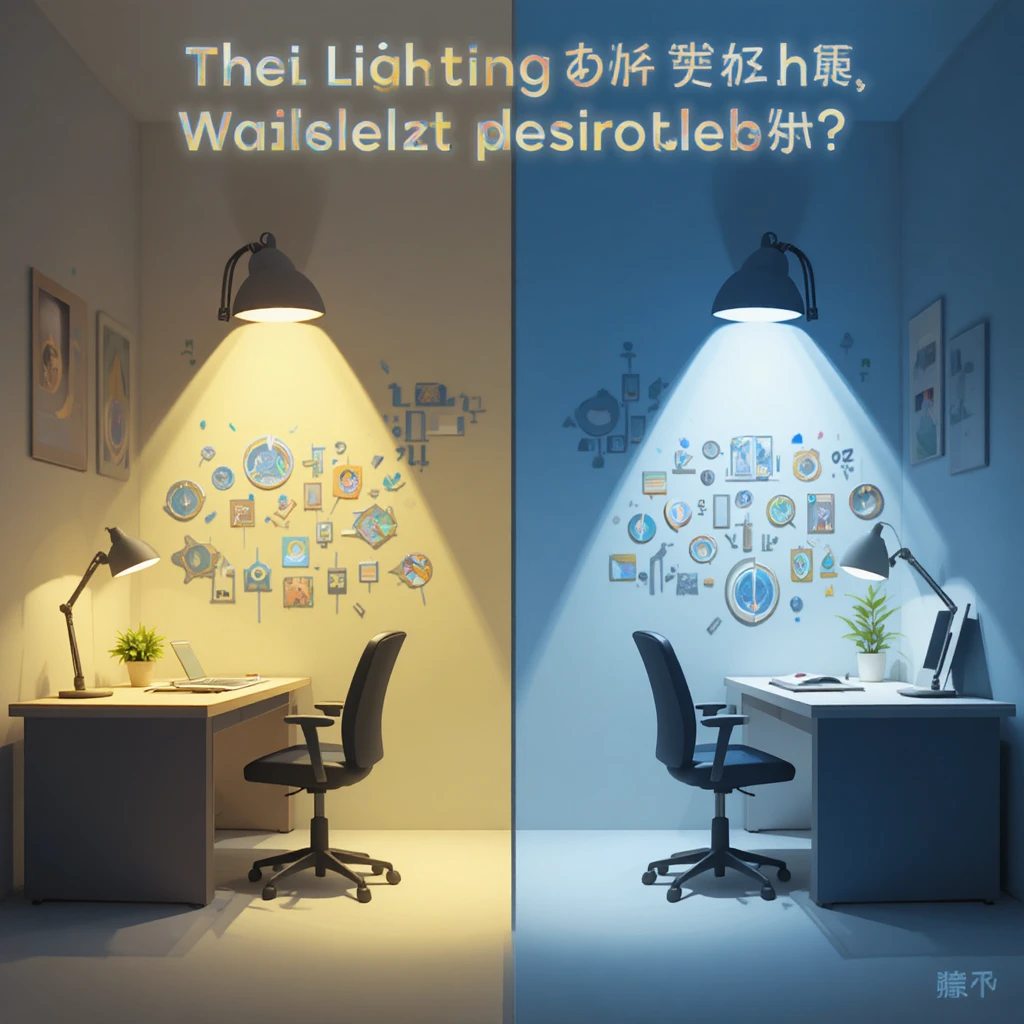
Bedrooms need layered lighting:
- Ambient (overhead/main light): Warm white creates overall relaxation.
- Task (reading lamps, vanity lights): Adjustable or slightly cooler (3500K) can help for reading or makeup without feeling harsh.
- Accent (wall sconces, LED strips): Warm white enhances mood; cool white highlights artwork or plants.
Smart bulbs or dimmers let you switch temperatures throughout the day—cooler in the morning, warmer at night.
Energy Efficiency & Bulb Longevity

LEDs dominate today’s market, and both warm and cool white LEDs are highly efficient. Warm white LEDs may feel slightly less bright per watt, but the difference is minimal. Both last 15,000–50,000 hours and run cool, reducing fire risk.
Choose ENERGY STAR-rated bulbs for the best balance of color quality, brightness, and longevity.
Special Cases: Small Bedrooms, Dark Rooms & Couples’ Needs
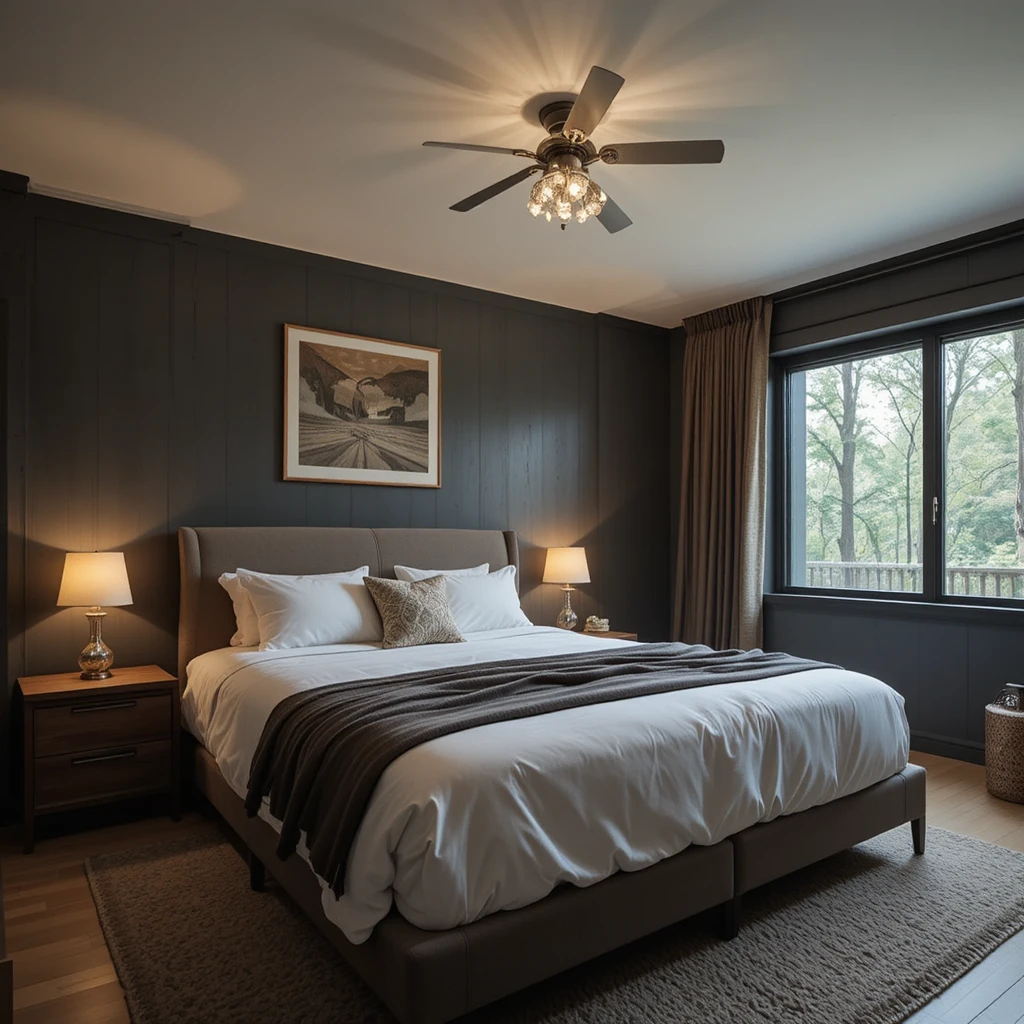
- Small bedrooms: A touch of cool white (in mirrors or closets) can open up the space visually, but keep main lighting warm to avoid a sterile feel.
- Dark or windowless rooms: Warm white prevents a cave-like atmosphere and adds perceived warmth.
- Couples’ bedrooms: Compromise with dimmable warm white for shared relaxation, plus adjustable bedside lamps so each person can customize.
See more tips for shared spaces in couples bedroom ideas.
Practical Tips for Choosing & Installing
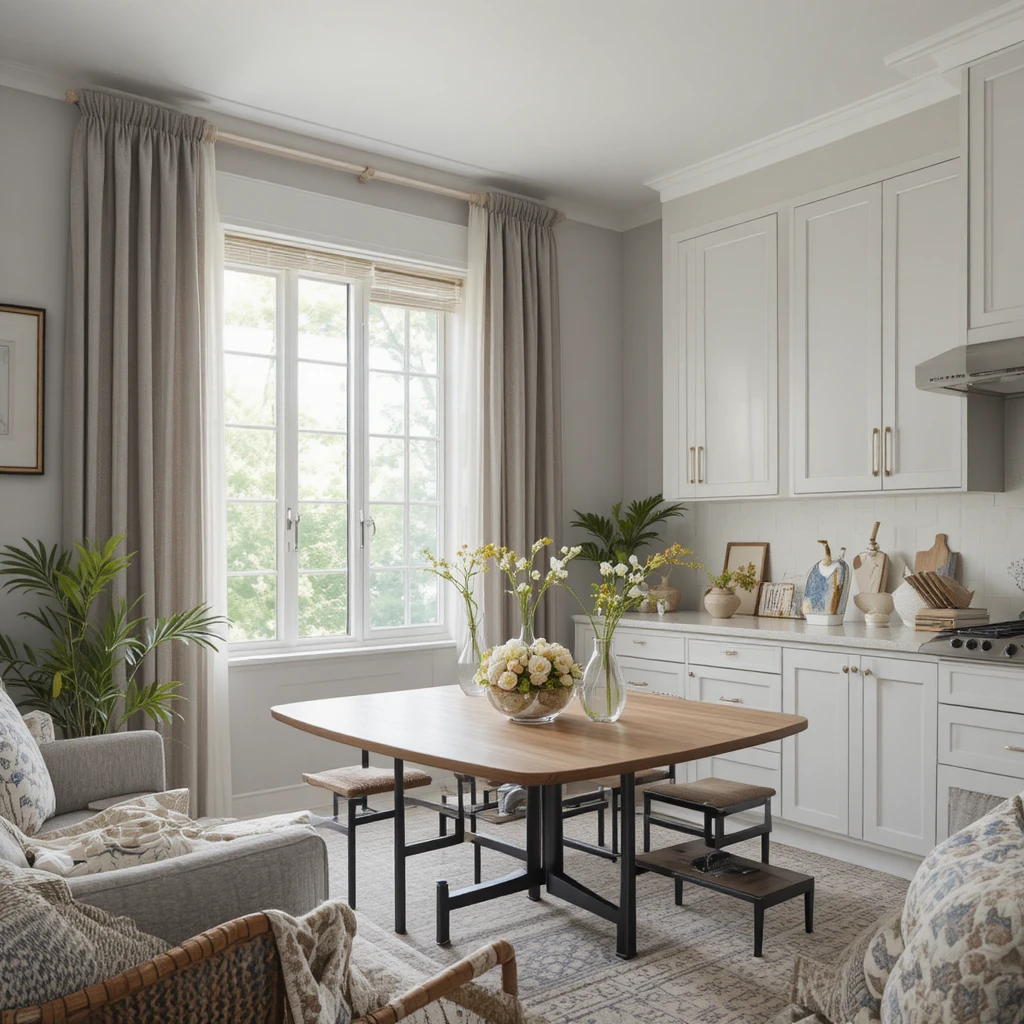
- Test bulbs in your space—color rendering varies by wall color and furnishings.
- Opt for CRI 90+ bulbs (high color rendering index) so colors look true.
- Use dimmers or smart controls (Philips Hue, LIFX, etc.) for flexibility.
- Layer: overhead warm white + warm bedside lamps + cool vanity light if needed.
- Avoid cool white overhead lights after sunset.
For more lighting inspiration, check out lighting in home design or ceiling light ideas.


