Designer Tricks for Warm Interiors
Creating a warm interior isn’t just about choosing the right color it’s about crafting a feeling. A warm home feels inviting the moment you step inside. It wraps you in comfort, encourages conversation, and turns everyday routines into cozy rituals. Whether you live in a spacious house or a compact apartment, thoughtful design choices can transform your space into a welcoming retreat.
Below are designer-approved tricks to help you create warm interiors that feel stylish, layered, and full of personality.
1. Start with a Warm Color Foundation

Color sets the emotional tone of a space. To create warmth, designers often lean toward earthy hues like terracotta, caramel, warm beige, soft taupe, muted mustard, and creamy whites. These tones reflect light gently and make rooms feel grounded.
If you’re unsure where to begin, explore ideas from this guide on wall colour ideas to find shades that instantly add comfort to your interiors.
For living spaces, warm neutrals paired with subtle accent colors work beautifully. Bedrooms benefit from soft peach, blush, or warm gray tones that feel calming yet cozy. If you love bolder palettes, burnt orange or deep olive can add drama while maintaining warmth.
The key is to avoid overly cool tones like icy blues or stark whites unless they’re balanced with warmer elements.
2. Layer Lighting for a Cozy Glow

Lighting can make or break the warmth of a room. Instead of relying solely on overhead lights, designers recommend layering multiple light sources:
- Ambient lighting (ceiling fixtures)
- Task lighting (table lamps, floor lamps)
- Accent lighting (wall sconces, candles, LED strips)
Warm white bulbs (around 2700K–3000K) create a soft golden glow that feels inviting. Consider statement fixtures from inspiration like ceiling light ideas to add both function and personality.
Candles, lanterns, and dimmable lamps add depth and intimacy especially in living rooms and bedrooms. The goal is to eliminate harsh shadows and create pockets of gentle illumination.
3. Embrace Natural Materials

Nothing adds warmth like nature-inspired textures. Wood, rattan, linen, wool, jute, and stone instantly soften interiors.
Wooden flooring or furniture brings organic richness. If you love rustic charm, explore ideas from rustic home decor ideas for inspiration on incorporating reclaimed wood and earthy finishes.
Even small touches like a woven basket, wooden coffee table, or linen curtains can dramatically change the atmosphere of a room. Natural materials create visual warmth and tactile comfort at the same time.
4. Add Texture Through Layering

Designers often say: warmth equals layers. Flat, one-dimensional rooms feel cold. Instead, layer:
- Rugs over hardwood floors
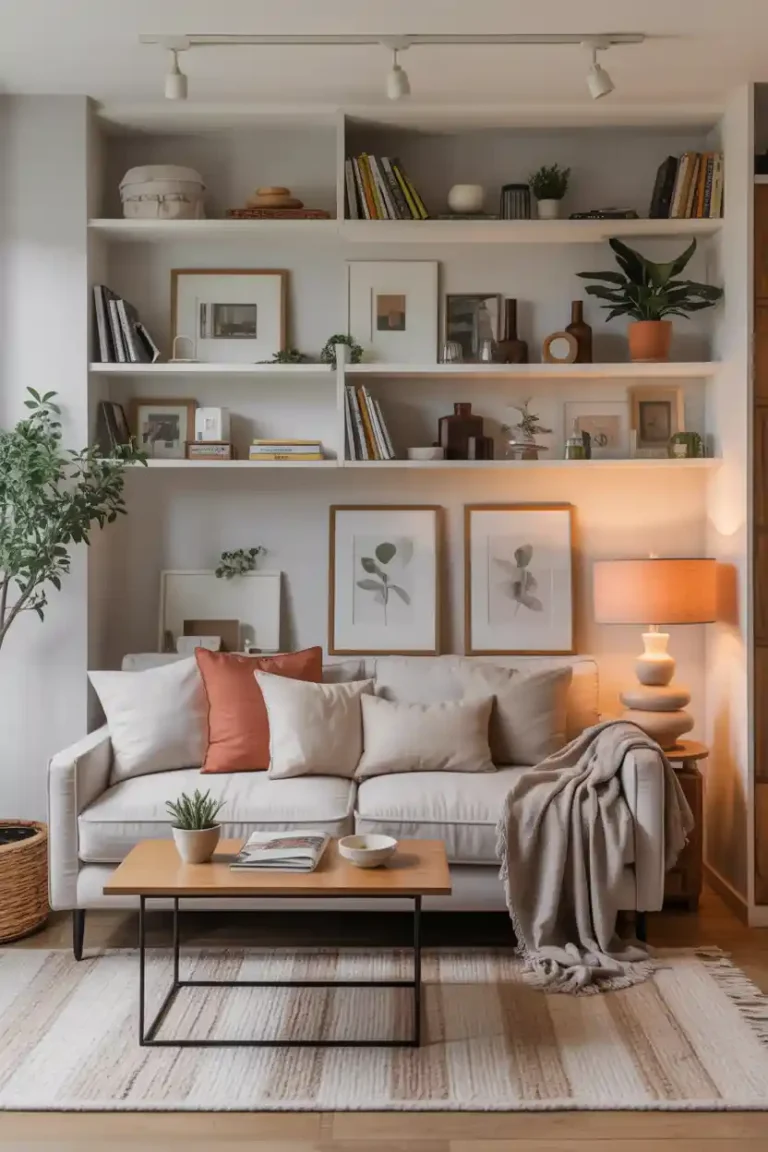
- Throw blankets on sofas
- Cushions in varying fabrics
- Curtains with soft draping
A plush area rug anchors the space and makes it feel intimate. Velvet cushions add luxury, while chunky knit throws create a hygge-inspired look.
For more cozy inspiration, take cues from hygge-inspired home ideas that focus on comfort and simplicity. Texture creates depth, and depth creates warmth.
5. Incorporate Warm Metals

Metals aren’t just for modern interiors. Warm finishes like brass, gold, bronze, and copper can subtly elevate a space.
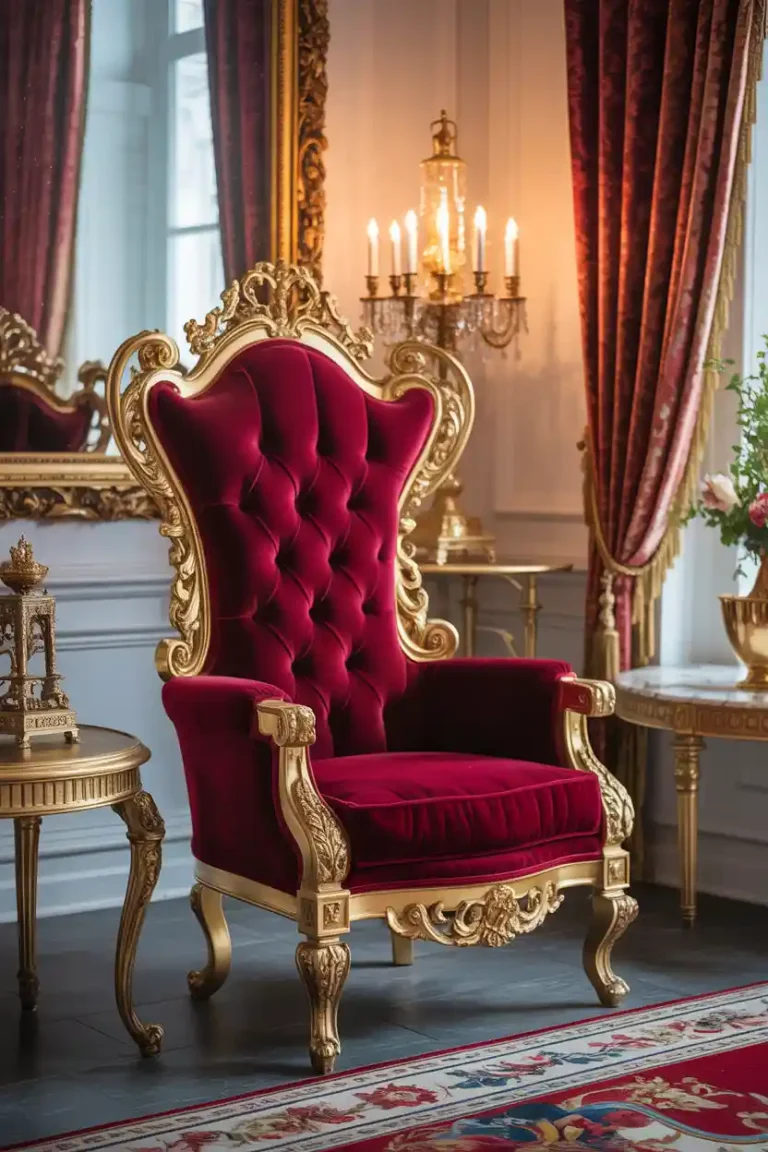
Swap out cool chrome hardware for brushed brass cabinet handles. Add a gold-framed mirror or bronze light fixtures. These metallic accents reflect warm light and enhance the cozy atmosphere.
The trick is moderation small touches go a long way.
6. Style with Soft Furnishings

Furniture plays a major role in setting the mood. Opt for upholstered pieces with rounded edges instead of sharp, rigid lines. Curved sofas, plush armchairs, and padded headboards feel more inviting.
If you’re updating your living room, browse living room furniture ideas that combine comfort with style.
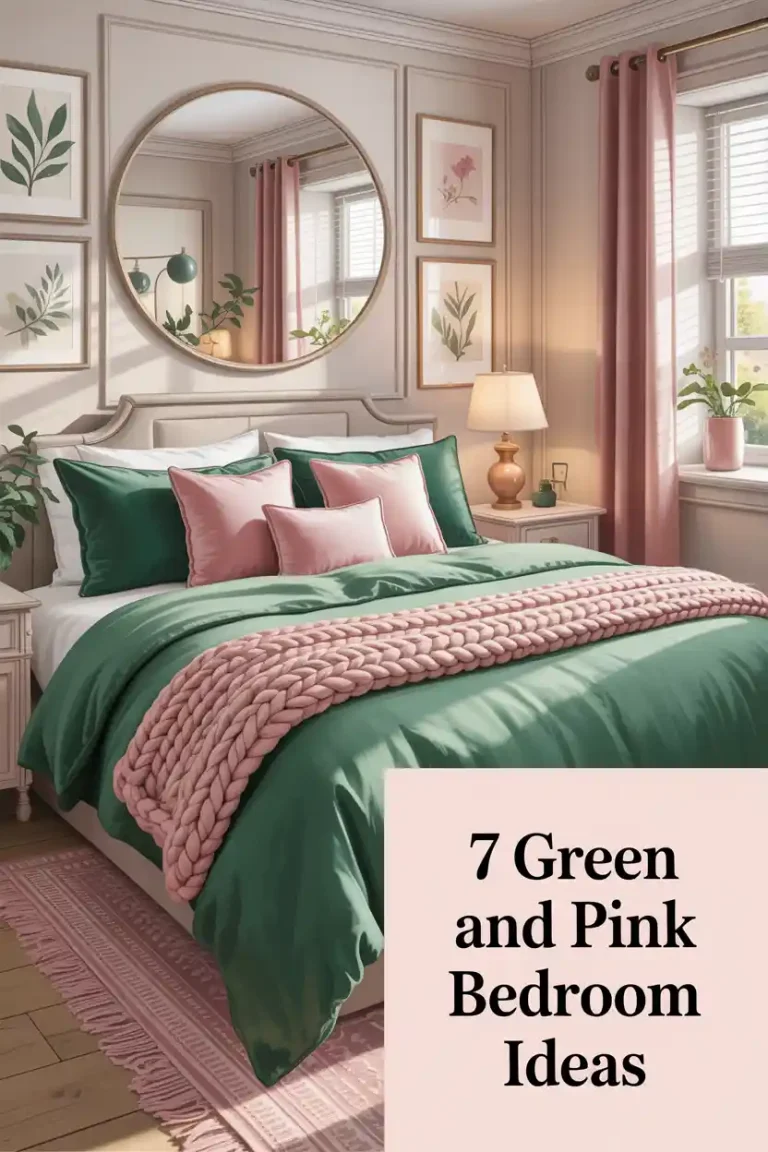
In bedrooms, layered bedding with quilts and textured pillows transforms the space into a restful haven. Explore cozy arrangements from earthy bedroom ideas to see how warm tones and fabrics create a snug retreat.
7. Use Artwork and Wall Decor Strategically

Bare walls can make a room feel unfinished and cold. Artwork adds personality and warmth. Choose pieces with warm tones, abstract landscapes, or nature-inspired themes.
Gallery walls, framed prints, or oversized art can make a dramatic difference. For guidance, check out gallery wall ideas to curate a visually engaging display.
Wood frames, textured canvases, and soft-toned prints all contribute to a cozy, lived-in feel.
8. Bring in Indoor Plants
Plants breathe life into interiors literally and visually. Their green tones complement warm palettes beautifully.
Snake plants, fiddle leaf figs, pothos, and olive trees add organic softness. Even small potted herbs in the kitchen create a welcoming touch.
Get inspiration from living room plants decor for ways to integrate greenery without overwhelming your design.
Natural elements make spaces feel vibrant yet comforting.
9. Create Intimate Furniture Arrangements

The way furniture is arranged affects how warm a room feels. Instead of pushing everything against the walls, create conversational groupings.
Place sofas and chairs closer together around a coffee table. Add a soft rug to define the area. In open layouts, use furniture placement to create zones that feel intentional and cozy.
If you’re working with limited space, ideas from how to maximize small spaces can help maintain warmth without clutter.
10. Incorporate Seasonal Decor

Seasonal styling can instantly enhance warmth. In fall and winter, add textured throws, cinnamon-scented candles, and warm-toned accessories.
You can explore fall decor ideas for the home to refresh your interiors with seasonal charm.
Even subtle seasonal changes like swapping cushion covers or adding dried florals keep your home feeling dynamic and inviting year-round.
11. Balance Warmth with Contrast
While warmth is essential, too much of one tone can feel heavy. Designers balance warm palettes with contrast.
For example:
- Pair warm beige walls with dark wood furniture.
- Combine terracotta with creamy white accents.
- Add black details for depth.
If you prefer darker interiors, you can still achieve warmth. Take inspiration from dark home decor ideas that blend moody tones with cozy textures.
Contrast prevents monotony and keeps the design visually interesting.
12. Personalize the Space
Ultimately, warmth comes from personality. Display meaningful objects travel souvenirs, family photos, heirlooms, books, or handmade décor.
Custom touches make your home feel uniquely yours. Consider DIY additions from cheap DIY home decor ideas to add charm without overspending.
A personalized interior tells a story and stories create emotional warmth.
13. Focus on Scent and Sound
True warmth isn’t only visual it’s sensory. Soft music, crackling fireplace sounds, or subtle background noise can create a calming atmosphere.
Add scented candles in vanilla, sandalwood, or cinnamon. Essential oil diffusers also contribute to a cozy vibe.
When multiple senses are engaged, interiors feel richer and more comforting.
14. Warm Kitchens and Dining Areas
Kitchens often feel sterile if not styled thoughtfully. Wooden cutting boards, woven placemats, and warm pendant lighting can transform the space.
For cohesive inspiration, explore kitchen design decor ideas that balance functionality with warmth.
In dining areas, upholstered chairs, warm table linens, and layered lighting encourage longer, more enjoyable meals.
15. Keep It Clutter-Free Yet Lived-In
Warm interiors feel inviting but not chaotic. The goal is intentional styling.
Declutter surfaces while leaving room for character. A neat bookshelf with curated accessories feels warm. A chaotic shelf feels stressful.
For practical tips, see how to organize your home to maintain balance between comfort and order.
Final Thoughts on Designer Tricks for Warm Interiors
Designing warm interiors isn’t about following strict rules it’s about understanding how color, texture, light, and personality work together. From layered lighting and earthy tones to natural materials and meaningful décor, each element contributes to a home that feels welcoming and comfortable.
Whether you’re refreshing a single room or redesigning your entire home, these designer tricks can help you achieve a cozy, stylish environment that feels effortlessly inviting.
Remember: warmth is more than a visual aesthetic it’s an experience. When your home feels warm, it becomes a place where memories are made, conversations flow easily, and relaxation comes naturally.