9 Halloween Vintage Art Pieces That Capture the Spooky Charm of Yesteryear
Halloween has always been a holiday steeped in mystery, mischief, and macabre fun. But long before glowing plastic pumpkins and mass-produced costumes dominated the scene, artists in the late 19th and early 20th centuries crafted Halloween vintage art that blended folklore, whimsy, and a touch of the eerie. These illustrations, postcards, and posters weren’t just decorations—they were windows into how our ancestors celebrated the thinning veil between worlds.
In this post, we’ll dive into 9 Halloween vintage art masterpieces that continue to inspire modern creators. From whimsical witches to grinning jack-o’-lanterns, each piece tells a story of a bygone era’s fascination with the supernatural. Whether you’re a collector, a history buff, or just love retro aesthetics, these artworks will transport you to Halloweens past. Let’s uncover the magic!
1. The Iconic Beistle Die-Cut Decorations (1920s)
No exploration of Halloween vintage art is complete without mentioning the Beistle Company, founded in 1900. Their die-cut cardboard decorations from the 1920s revolutionized home partying. Picture a black cat with arched back, glowing yellow eyes, and a mischievous grin—often paired with owls or witches on broomsticks.
These pieces were mass-produced yet hand-painted in vibrant oranges, blacks, and greens. What makes them timeless? The playful exaggeration: oversized pumpkins with human-like faces and skeletons dancing under the moon. Collectors today hunt for originals on sites like eBay, where a single 1920s Beistle cat can fetch hundreds of dollars.
For more on how these decorations influenced modern Halloween parties, check out our guide to vintage Halloween decorations.
2. Ellen Clapsaddle’s Postcard Witches (Early 1900s)
Ellen Hattie Clapsaddle was a prolific illustrator who produced over 3,000 postcard designs. Her Halloween vintage art series for the International Art Publishing Company featured demure yet spooky witches stirring cauldrons or riding brooms amid swirling autumn leaves.
Clapsaddle’s style was soft and romantic, with pastel palettes that contrasted the holiday’s darkness. A famous 1909 postcard shows a witch in a pointed hat whispering to a black cat, captioned “Halloween Greetings.” These were mailed as invitations or well-wishes, blending Victorian sentimentality with folklore.
Her work highlights how Halloween evolved from Celtic Samhain roots into a social event. If you’re interested in postcard collecting, explore our article on antique Halloween postcards for tips on authentication and value.
3. Winslow Homer’s “Snap the Whip” Echo in Halloween Prints (1870s Influence)
While not explicitly Halloween-themed, Winslow Homer’s 1872 painting Snap the Whip inspired later Halloween vintage art prints depicting children in rustic games. By the 1890s, illustrators adapted this wholesome American scene to autumn festivals, adding jack-o’-lanterns and ghost costumes.
One notable lithograph from 1895 shows boys in patchwork outfits “snapping” a chain while a pumpkin-headed figure lurks in the background. This fusion of innocence and fright captured the holiday’s dual nature—fun for kids, eerie for adults. Homer’s influence persists in how vintage art portrayed community gatherings.
4. The Dennison Bogie Books (1910s–1920s)
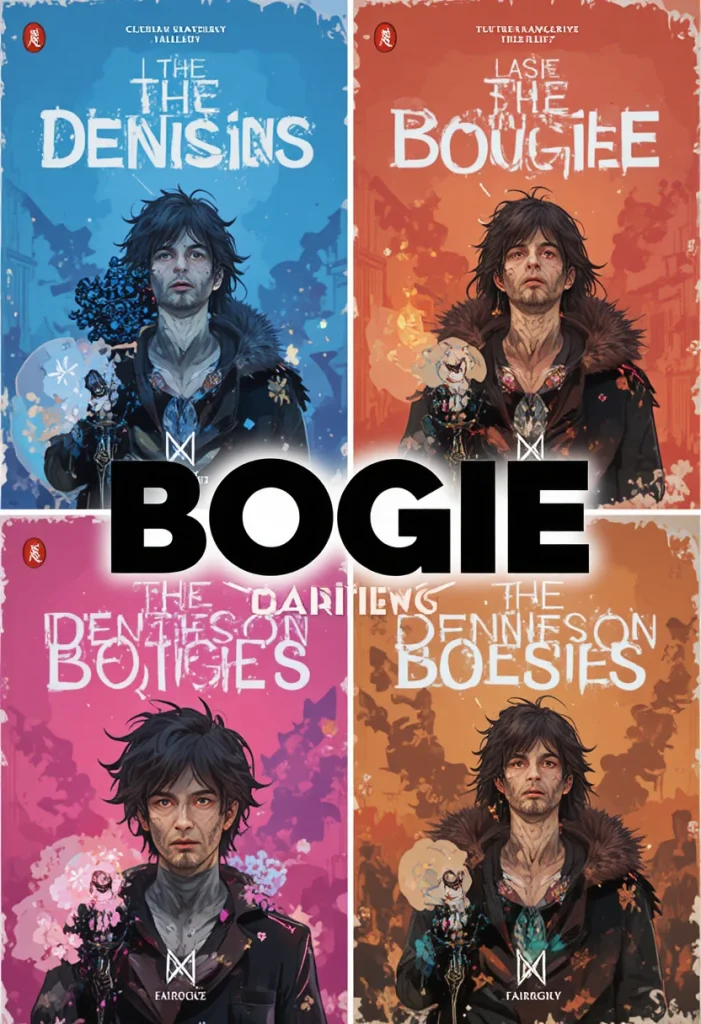
Dennison Manufacturing Company published annual “Bogie Books” from 1909 to the 1930s, filled with Halloween vintage art, party ideas, and DIY crafts. These guidebooks featured illustrations of elaborate table settings with crepe paper bats, nut cups shaped like owls, and centerpieces of witches brewing punch.
Artists like Ruth E. Newton contributed whimsical drawings: a skeleton host serving “witch’s brew” or children bobbing for apples under lantern light. The books promoted Halloween as a sophisticated affair, influencing everything from menus to games. Original Bogie Books are rare treasures; reprints are available for modern enthusiasts.
Dive deeper into party planning with our post on retro Halloween party ideas.
5. John Winsch Postcards with Embossed Details (1910s)
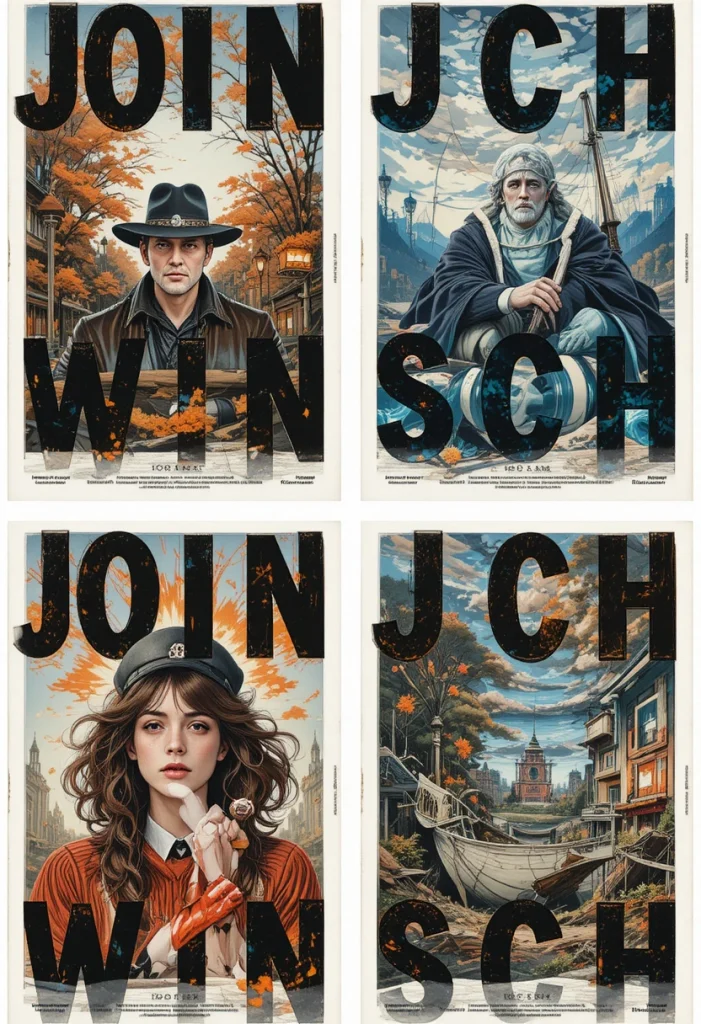
John O. Winsch’s Schmucker series postcards elevated Halloween vintage art through embossing and gold foil accents. A standout 1912 design depicts a flirtatious witch in a red cape flying over a village, with embossed stars twinkling against a midnight sky.
These cards often included poetic verses like “May your Halloween be full of delights and no frights!” Winsch’s attention to texture made them feel luxurious, appealing to the Edwardian love of opulence. They bridged art and ephemera, turning simple greetings into collectibles.
6. Raphael Tuck & Sons’ Oilette Series (1900s)
British publisher Raphael Tuck & Sons dominated the postcard market with their Oilette series, which mimicked oil paintings. Their Halloween vintage art entries included hyper-realistic pumpkins carved with devilish faces, surrounded by turnips (the original Irish jack-o’-lanterns) and flickering candles.
One 1907 card shows a Scottish lass in tartan peering into a glowing turnip lantern, nodding to Celtic origins. Tuck’s artists, like those from the “Bonnie Scotland” line, infused cultural authenticity. These pieces remind us Halloween wasn’t just American— it was a transatlantic phenomenon.
For global Halloween traditions, read our exploration of Celtic Samhain influences.
7. The Gibson Girl Goes Gothic (Charles Dana Gibson, 1890s–1900s)
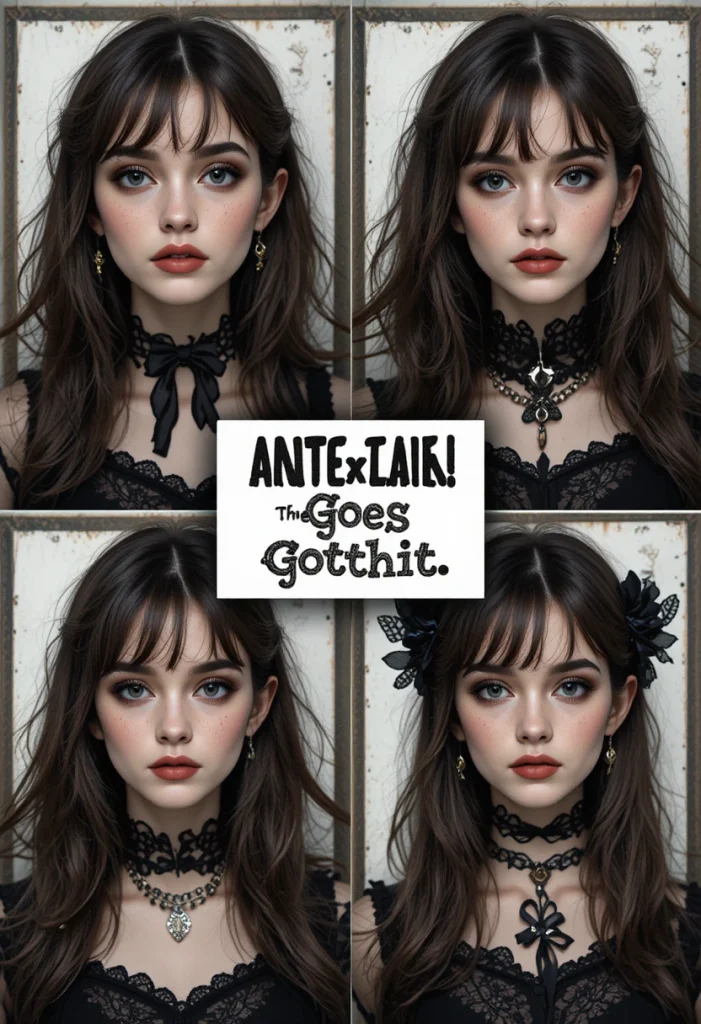
Charles Dana Gibson’s iconic “Gibson Girl” represented the ideal modern woman. In rare Halloween vintage art adaptations, she donned witch hats or vampire capes for magazine illustrations in Life and Collier’s.
A 1905 Life cover features the Gibson Girl as a stylish sorceress, wand in hand, captivating a crowd of suitors turned into frogs. This satirical take poked fun at gender roles while embracing the holiday’s fantasy. Gibson’s clean lines and wit influenced cartoonists for decades.
8. Whitney Made Halloween Cards with Pop-Up Elements (1920s)
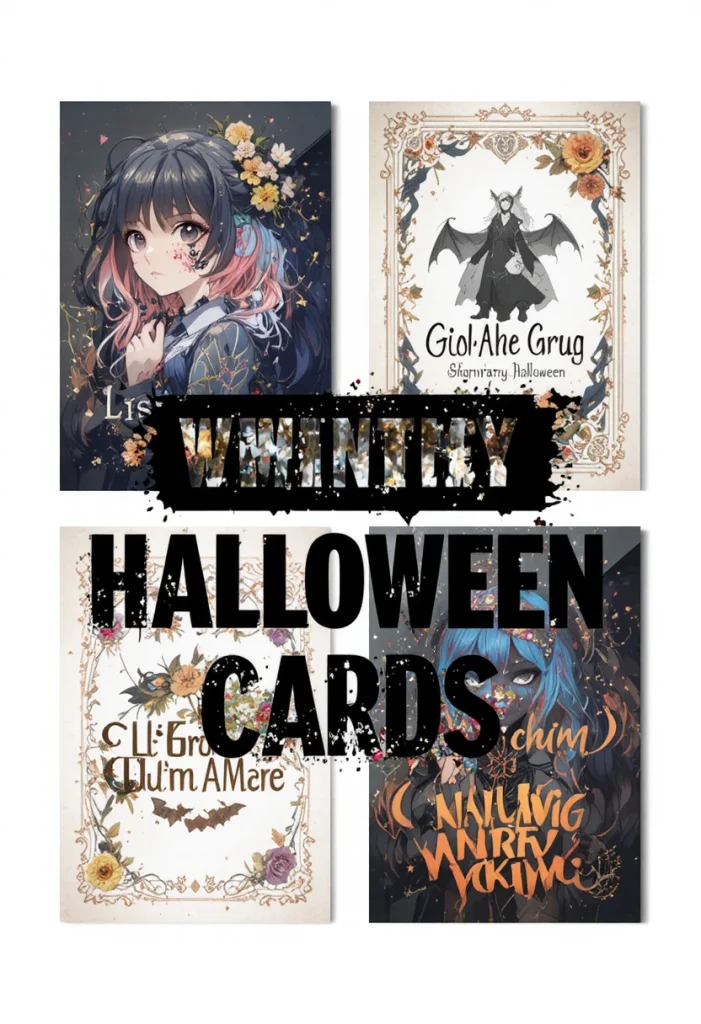
Whitney Company specialized in interactive cards, and their 1920s Halloween vintage art pop-ups were engineering marvels. Pull a tab, and a skeleton rises from a coffin, or a witch’s broom extends across the scene.
Illustrations were bold and colorful: orange moons, purple skies, and green-faced goblins. These weren’t just cards—they were toys, encouraging repeat play. Surviving examples show wear from enthusiastic children, adding to their charm.
9. Anonymous Folk Art Lantern Slides (Late 1800s)
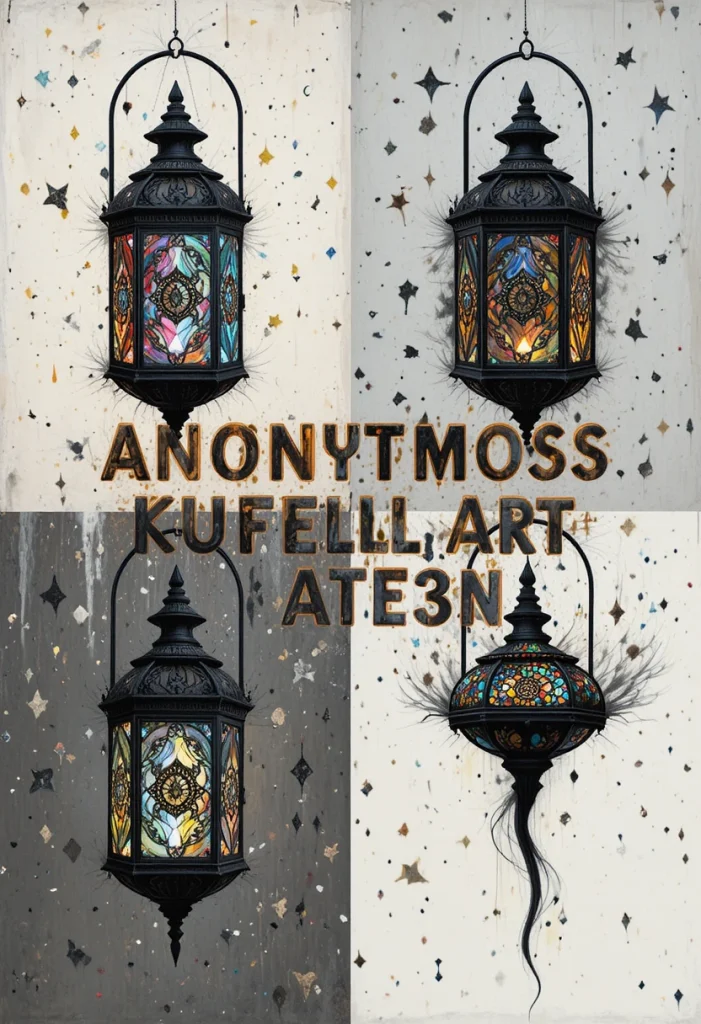
Before cinema, magic lantern shows entertained with hand-painted glass slides. Anonymous artists created Halloween vintage art sequences of ghosts haunting mansions or devils dancing in hellfire.
One slide set from the 1890s depicts a procession of spectral figures emerging from a graveyard, projected in flickering light for maximum spookiness. These were used in vaudeville or home gatherings, predating horror films. Though fragile, digitized versions preserve this ephemeral art form.
Why Halloween Vintage Art Endures Today
These 9 Halloween vintage art examples showcase a golden age of illustration when craftsmanship met imagination. Unlike today’s digital memes, they required skill in lithography, embossing, and hand-coloring. They reflected societal shifts: from immigrant traditions blending with American culture to the rise of commercial holidays.
Modern designers draw from these—think Urban Outfitters’ retro posters or Etsy prints. Collecting Halloween vintage art isn’t just nostalgia; it’s preserving cultural history. Start with affordable reproductions, then graduate to originals at antique fairs.
Bringing Vintage Vibes to Your Halloween
Incorporate these inspirations: Frame a Clapsaddle postcard as wall art, host a Bogie Book-themed party, or project lantern slides for ambiance. For DIY enthusiasts, our tutorial on creating vintage-style Halloween crafts offers step-by-step guides.
Halloween vintage art reminds us the holiday’s essence—wonder, community, and a dash of dread—transcends time. Which of these 9 pieces is your favorite? Share in the comments, and happy haunting!