How to Red Christmas Aesthetic
There is a timeless, visceral appeal to the color red during the holidays. It’s the color of Santa’s suit, the cardinal against the snow, the perfect holly berry, and the glow of a warm fireplace. While holiday trends come and go—Scandinavian minimalists, icy blues, and shimmering champagne themes all have their moment—nothing truly replaces the bold, heartfelt warmth of a classic red Christmas.
This year, instead of just using red, embrace a complete Red Christmas aesthetic that is sophisticated, layered, and deeply atmospheric. Achieving this look isn’t about slapping up any old crimson decoration; it’s about intentional pairing, strategic texture, and a commitment to creating an environment that feels both luxurious and genuinely cozy. If you’re ready to transform your home into a festive haven that echoes the joy of Christmases past, follow this detailed guide to mastering the power of red.
The Enduring Appeal of the Classic Red Christmas Aesthetic

Why does red feel so fundamentally right for Christmas? Historically, red has symbolized love, life, and the blood of Christ, lending it profound religious significance. In modern times, it’s the defining color of jolly old Saint Nick and a key component of natural winter greenery like holly and poinsettias.
A well-executed Red Christmas aesthetic speaks to tradition and nostalgia. It is a bold, energetic color that simultaneously evokes warmth and celebration, providing a much-needed lift during the cold, dark days of winter. Unlike cooler palettes that feel crisp or modern, red is inherently inviting, encouraging people to gather, share, and settle in. It’s a design choice that is both fearless and familiar. By leaning into this classic palette, you are creating a holiday environment that feels authentic, vibrant, and effortlessly festive. To prevent the look from becoming childish or overwhelming, the secret lies in balance—pairing the strength of red with grounding neutrals and complementary textures.
The Perfect Palette: Beyond Just Crimson
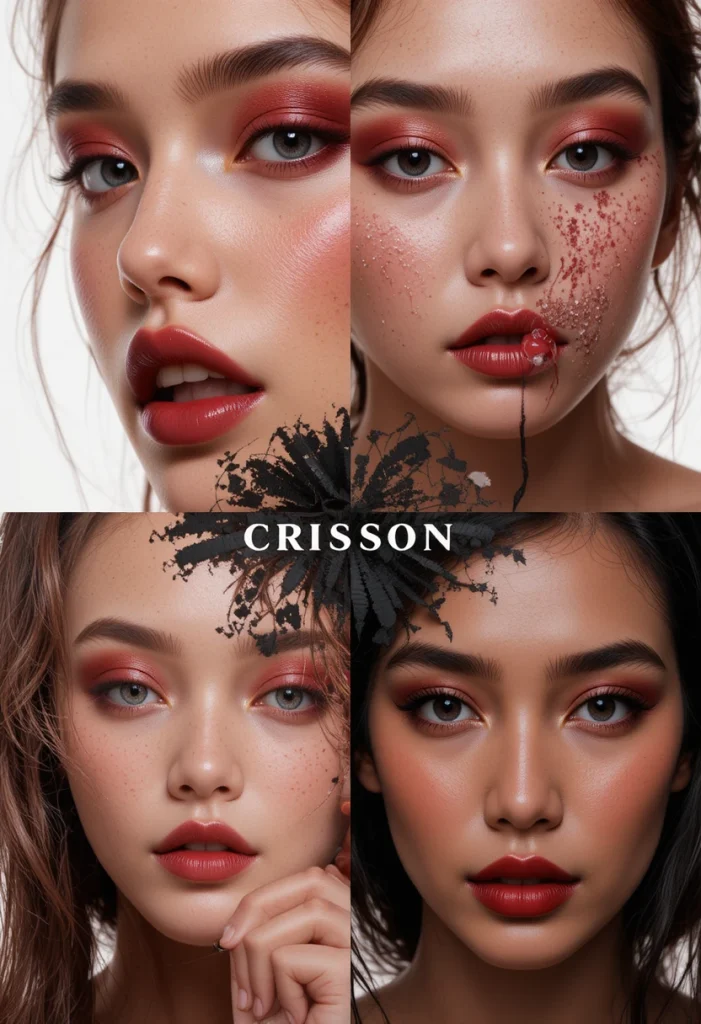
To build a truly rich red look, you must treat the color as a spectrum, not a single hue.
Layering the Reds: Don’t limit yourself to one shade. Introduce deep, rich burgundies and maroons alongside brighter, poppy scarlets. This layering prevents the aesthetic from looking flat. Use deep reds for large pieces like throws or tree skirts, and reserve the brighter reds for accents, such as ribbons or small ornaments.
The Essential Partners (Green and Gold/Silver): The Red Christmas aesthetic is incomplete without its loyal partners.
- The Green Anchor: Pine and cedar greenery are non-negotiable. The deep, often bluish-green of real or high-quality faux pine provides the perfect, rich contrast to red. This natural pairing instantly elevates the look and connects your decor to the outdoors.
- The Metallic Sparkle: You must choose a metallic to act as your accent color. Gold offers warmth and opulence, making it ideal for a traditional, cozy look. Silver or champagne offers a cooler, slightly more sophisticated, and glittering contrast to the dominant red. Once you select your metallic—stick with it throughout the house. For ideas on creating a harmonious look, exploring classic color pairings can help you perfect your palette. [https://yourblog.com/guides/christmas-color-palette-trends]
Grounding Neutrals: Use creams, ivories, and natural wood tones to give the eye a place to rest. A chunky cream knit blanket or exposed wooden mantel shelf prevents the bold red and green from dominating the room.
The Centerpiece: Decorating Your Tree with a Bold Red Aesthetic

The Christmas tree is the heart of the holiday home, and for the red aesthetic, it must be spectacular.
Starting with the Tree: Whether you are choosing the perfect Christmas tree (real or artificial), [https://yourblog.com/guides/artificial-vs-real-christmas-tree] a full, dense tree works best for this aesthetic, providing a solid canvas for the strong colors.
The Three-Layer Approach to Ornaments:
- Foundation Ornaments (The Base): Start with large, uniform matte or satin ornaments in your dominant colors—a deep maroon or a hunter green. Place these deep into the tree near the trunk to reflect light and create a dimensional foundation.
- The Red Stars (The Statement): Next, introduce your primary red statement ornaments. These should be varied in shape and finish: glittering ruby spheres, hand-painted Santa figures, or classic nutcrackers. Distribute them evenly, ensuring pops of red are visible from every angle.
- The Accents (The Sparkle): Finally, hang your metallic accents (gold or silver) and neutral elements (small, cream-colored stars or wooden ornaments). These create the necessary light and variation.
Ribbons and Garlands: Instead of tinsel or basic bead garlands, use lush red velvet or wired tartan ribbon. Weave a wide ribbon vertically down the tree, tucking it into the branches to create an expensive, cascading effect. You can also craft your own DIY garlands using dried cranberries and popcorn for a charming, homespun touch. [https://yourblog.com/diy/easy-christmas-garland-tutorial]
The Tree Skirt: A deep red velvet or a woven basket collar is the ideal grounding element. Avoid lightweight, flimsy skirts; the material should feel substantial to match the richness of the aesthetic.
Mantels and Entryways: Setting a Welcoming Red Scene
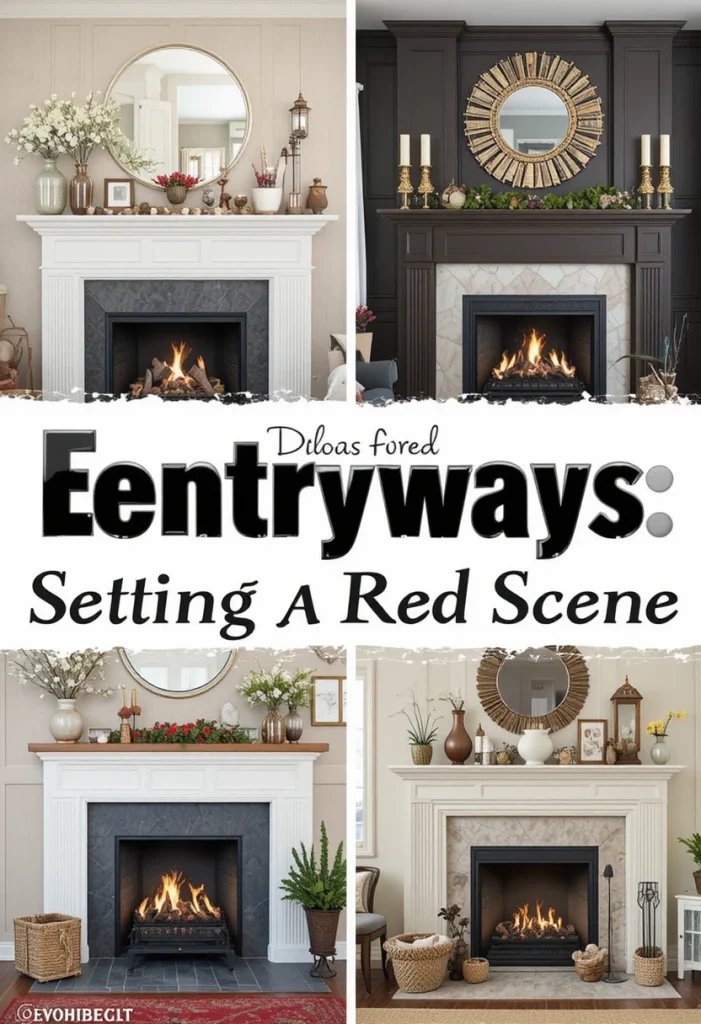
The entryway and the mantelpiece are the next most important focal points.
The Power of the Garlands: The mantel garland should be dense and dramatic. Layer two or three different types of greenery (pine, cedar, eucalyptus) and then weave in red elements. This is where you introduce clusters of faux red berries, silk poinsettias, or even real pomegranates for an organic, artisanal feel. The garland should drape slightly, creating a soft, welcoming curve.
Stockings and Texture: If you opt for red stockings, choose different textures—a cable knit, a quilted velvet, and a simple linen. If your stockings are neutral (cream or white), tie them with a luxurious red velvet bow to integrate the color.
The Entryway Greeting: Your front door should offer a glimpse of the interior theme. A classic wreath, heavily adorned with red berries and a large, structured red bow, is perfect. Flank the door with planters holding small evergreens, perhaps tied with red ribbon or accented with a few bright red outdoor ornaments. For a truly enchanting welcome, consider adding a runner or doormat that incorporates the red and green palette.
Textures, Layers, and Warmth: Adding Depth to the Red

A successful red aesthetic hinges on texture. Without it, the color can look flat; with it, it looks rich, tactile, and warm.
Velvet and Faux Fur: These are your best friends. Introduce red velvet pillows on your sofa, a deep burgundy throw folded over an armchair, or even use red velvet ribbon for wrapping gifts. The way light catches the pile of velvet adds a dimension that no other fabric can replicate. Similarly, add cream-colored velvet and faux fur elements [https://yourblog.com/decor/cozy-winter-textures-home] as grounding textures—a faux fur rug or a plush throw creates instant winter warmth, balancing the visual intensity of the red.
Natural Materials: Use wicker baskets, woven rugs, and rustic wood to provide a necessary, organic counterbalance. For instance, placing a deep red throw inside a woven wood basket provides a beautiful contrast between the soft fabric and the rough, natural material.
Metallics and Shine: Incorporate highly reflective surfaces like polished brass or mercury glass. These elements bounce light and prevent the red from absorbing all the room’s illumination, adding a crucial layer of celebratory sparkle. Matte finishes, especially on ornaments, should be used alongside glossy ones to provide contrast.
Lighting the Way: Creating the Perfect Glow
Lighting is the key to transforming a decorated space into an aesthetic experience. When selecting the best holiday lighting for a red theme, [https://yourblog.com/decor/how-to-choose-christmas-lights] the rule is simple: warmth is paramount.
Warm White Only: Use only warm white LED or incandescent lights. Cool, bright white or blue-toned lights will immediately clash with the warm tones of the red and green, making the space feel sterile and undoing all the work you’ve done to create coziness. The warm yellow tone of the light enhances the richness of the reds, making them appear deeper and more luxurious.
Candlelight and Firelight: Candles are a non-negotiable part of this aesthetic. Use unscented tapers in red or burgundy candlesticks on the mantel, or place large pillar candles in hurricane lamps. The flickering, golden glow of a real flame creates an unparalleled depth and dimension, especially when reflected in metallic ornaments or glass surfaces.
Uplighting and Spotlighting: Consider uplighting your tree to ensure the trunk and inner branches are illuminated, creating depth. Use small spotlights or picture lights to highlight key areas, such as the mantelpiece or a display of nutcrackers. This strategic use of light brings the focus back to your primary red installations.
Hosting the Holiday: A Red-Themed Table and Entertaining
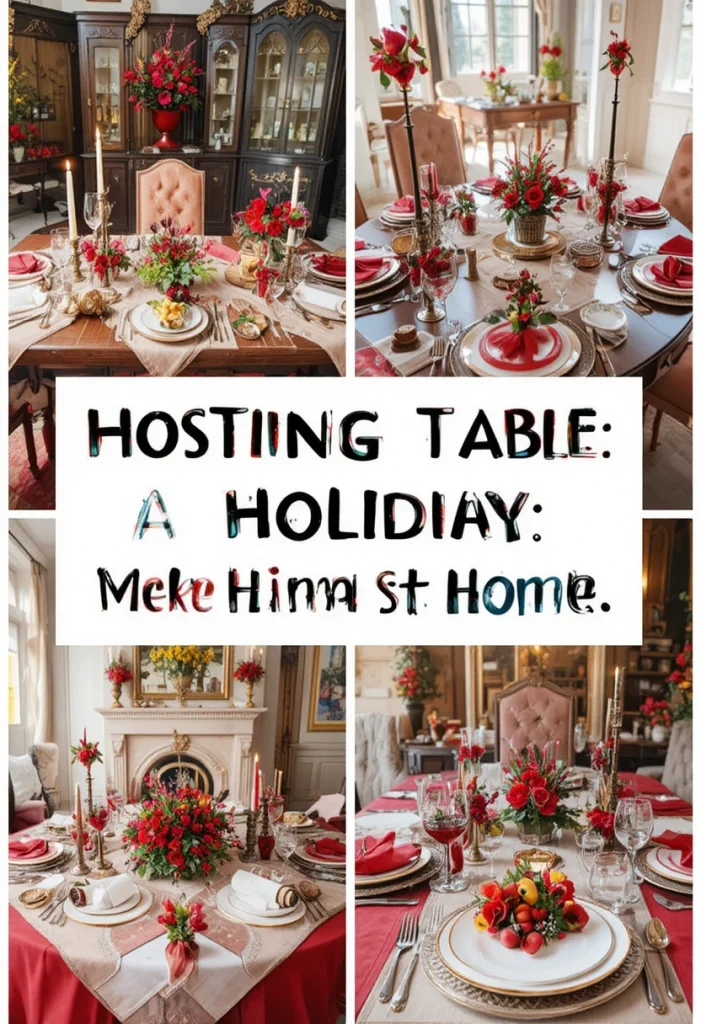
The dining table is the final frontier for a dramatic red display.
Linens and Place Settings: Start with a neutral tablecloth (white or cream) to prevent overwhelming the space, and then introduce red through your linens. Use deep red cloth napkins, folded intricately and tied with a gold or tartan ribbon. Charger plates in a deep metallic gold or a glossy red lacquer can anchor the setting. For a more rustic feel, use a runner made of plaid or tartan, incorporating the red and green pattern.
The Centerpiece: The centerpiece should be abundant. Avoid tall centerpieces that block conversation. Instead, opt for a long, low arrangement of mixed pine and red amaryllis or roses. Weave in taper candles and small, brightly polished red apples for a classic, natural touch.
Festive Treats: Serve seasonal food that naturally incorporates the color—cranberry sauce, pomegranate seeds sprinkled on salads, and deep red wine or mulled cider. Even the smallest details, like using red-handled serving spoons, will reinforce the overall Red Christmas aesthetic.
The Final Sensory Touches

The most memorable holiday spaces appeal to more than just sight. Complete your aesthetic with scent and sound.
Scents of Tradition: The rich, warm colors of this aesthetic pair perfectly with traditional Christmas scents. [https://yourblog.com/lifestyle/best-christmas-scents-candles] Burn candles or use diffusers with notes of cinnamon, clove, pine, and orange. The scent of a real fire and freshly baked gingerbread enhances the feeling of home and complements the visual warmth of the red decor.
The Soundscape: Curate a playlist of classic, traditional Christmas music. The music shouldn’t be too busy or modern; think instrumental carols, jazz standards, and choral arrangements. The goal is to create a background atmosphere that is comforting and elegant, providing the perfect soundtrack for the visual warmth of your red haven.
Conclusion
Mastering the Red Christmas aesthetic is a rewarding endeavor. By layering shades, textures, and lights, and committing to a balanced palette, you transform a classic color into a truly sophisticated and unforgettable holiday experience. This year, embrace the bold warmth of red and create the most inviting and nostalgic Christmas yet.