
How to European Summer: The Ultimate Guide to Sun, Style, and Slow Living
The term “European Summer” has evolved from a simple vacation description into a full-blown aesthetic and lifestyle movement. It’s the clinking of Aperol Spritz glasses in a sun-drenched piazza, the scent of lemon groves in Positano, and the feeling of salt on your skin after a dip in the Mediterranean. How to European Summer But doing it right—balancing the iconic highlights with authentic local experiences—requires more than just a plane ticket.
Whether you are dreaming of the French Riviera or the rugged coasts of Greece, this guide will show you how to master the art of the European escape.
1. Setting the Scene: When and Where to Go

The classic European summer window spans from June to August, but “how to European Summer” effectively often involves looking at the shoulder seasons.
- June: The sweet spot. Everything is open, the weather is warm but not scorching, and the crowds are manageable.
- July: Peak season. High energy, festivals in every city, and bustling beaches.
- August: The height of the heat. Many locals in cities like Paris or Rome actually head to the coast themselves, so while coastal areas are packed, some cities can feel surprisingly quiet (though many small shops may close).
Choosing Your Vibe
Are you looking for the glamour of St. Tropez, the historical depth of Athens, or the adventure travel destinations of the Balkan coast? For a first-timer, a mix of one major city and one coastal retreat is the perfect recipe.
2. Mastering the European Summer Aesthetic
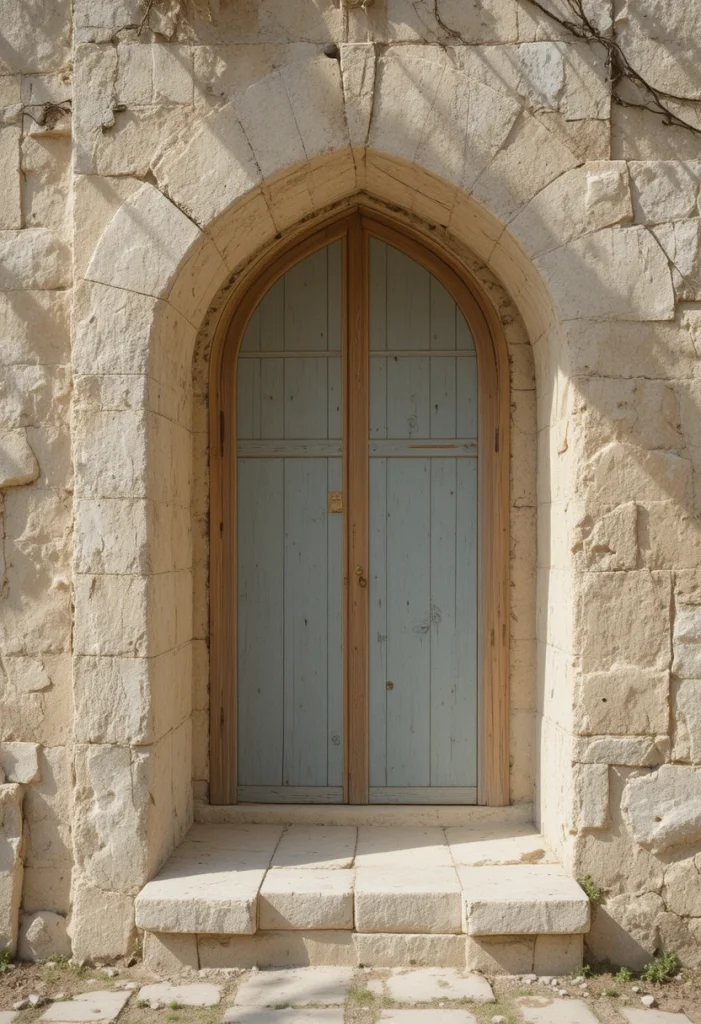
A huge part of the experience is the “vibe.” This isn’t just about clothes; it’s about how you carry yourself. Europeans tend to favor effortless elegance over fast fashion.
- Fabric is Everything: Pack linen, silk, and organic cotton. They breathe in the heat and look better with a bit of a “lived-in” wrinkle.
- The Capsule Wardrobe: Stick to a palette of whites, creams, and ocean blues. A high-quality silk scarf and a pair of leather sandals can take an outfit from a beach club to a Michelin-star dinner.
- The Accessories: Think oversized sunglasses, a straw market bag, and a classic timepiece. Avoid overly technical gear unless you are heading out on specific hiking and trekking trips.
3. Slow Down: The Art of “Dolce Far Niente”
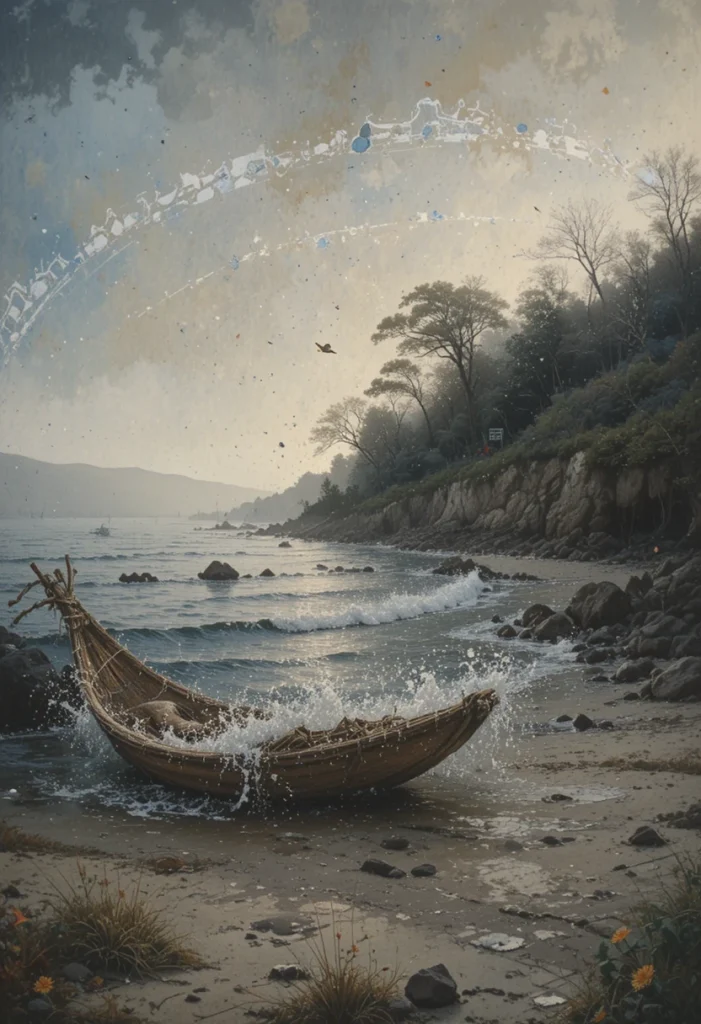
The biggest mistake travelers make is over-scheduling. In Europe, summer is for dolce far niente—the sweetness of doing nothing.
Instead of trying to see five museums in one day, choose one. Spend the afternoon sitting at a café, people-watching, and journaling. If you find yourself in a beautiful coastal town, take inspiration from outdoor adventures and explore the hidden coves by boat rather than rushing to the next landmark.
4. Navigating Like a Local
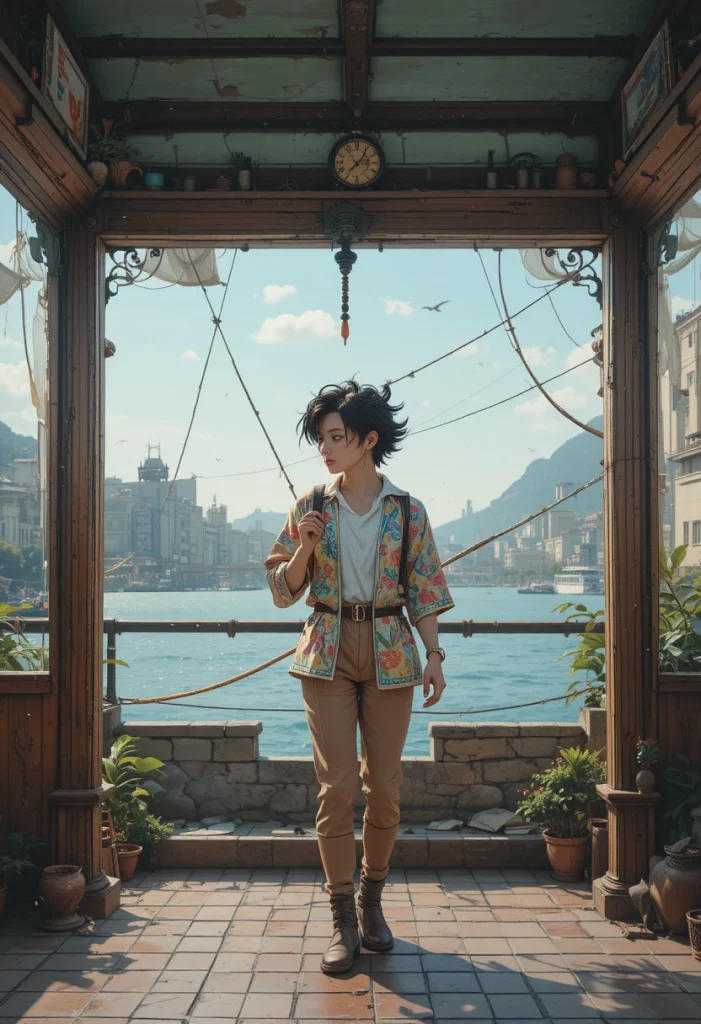
Europe is incredibly well-connected, but your choice of transport dictates the “flavor” of your trip.
- Trains over Planes: The Eurail system is iconic. High-speed trains like the TGV or Frecciarossa allow you to watch the countryside transform from vineyards to mountains.
- Scooters and Small Cars: In places like the Amalfi Coast or the Greek Isles, renting a vintage Vespa or a tiny Fiat is practically a rite of passage. It gives you the freedom to find that one secluded beach that the tour buses can’t reach.
5. Dining: From Markets to Midnight Suppers

Food is the heartbeat of the European summer. To eat like a local, follow these rules:
- Follow the Sun: Lunch is usually the main event, often lasting two hours. Dinner starts late—rarely before 8:30 PM in Spain or Italy.
- Visit the Markets: Some of your best meals won’t be in restaurants. Visit a local marché for fresh peaches, local cheeses, and crusty bread to have a picnic by the water.
- Hydration with Style: While water is essential, the “European Summer” requires a signature drink. Whether it’s a chilled Rosé in Provence or a Tinto de Verano in Madrid, enjoy the ritual of the aperitivo.
6. Capturing the Memories

You’ll want to document your journey, but don’t let the lens get in the way of the experience. Seek out travel photography inspiration ideas before you go to learn how to capture the Golden Hour light on cobblestone streets. Remember, the best photos are often the candid ones—a messy table after a long lunch or a blurry shot of a sunset from a moving train.
7. Staying Grounded and Respectful

As the world embraces the European summer trend, over-tourism has become a reality. To be a responsible traveler:
- Learn the Basics: A “Bonjour,” “Grazie,” or “Efcharistó” goes a long way.
- Go Offline: While you might want to find travel inspiration ideas on your phone, try to navigate via paper map for a day. You’ll discover things an algorithm never could.
- Support Small: Buy your souvenirs from local artisans rather than airport gift shops.
8. Planning Your Next Move

If the heat of the Mediterranean isn’t for you, consider the “Coolcation” trend—heading north to the Norwegian fjords or the Scottish Highlands. These regions offer incredible wildlife adventure travel opportunities without the 40-degree heatwaves.
Conclusion
Learning how to European Summer is less about a checklist of sights and more about a state of mind. It’s about embracing the heat, savoring the flavors, and allowing yourself to get lost in the winding streets of an ancient city. Whether you are following the footsteps of a travel vlogger or forging your own path, the memories of a summer spent under the European sun will stay with you long after the tan lines fade.
So, pack your linen, book that window seat, and get ready to live your own Mediterranean dream.
