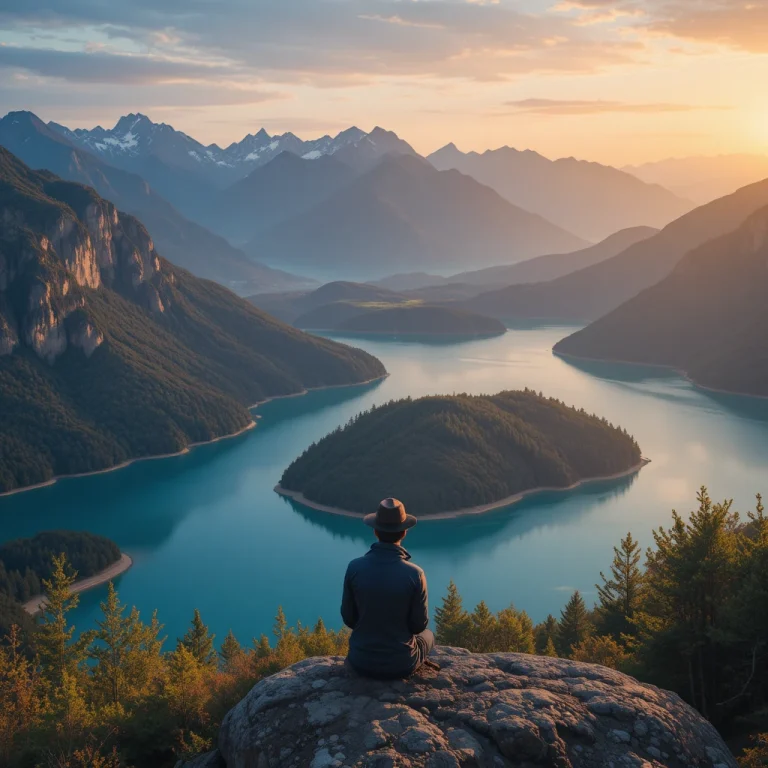
Hiking and Trekking Trips: Your Ultimate Guide to Adventure on Two Feet
The call of the wild is a powerful thing. Whether it’s the crisp air of a pine forest, the challenge of a steep mountain ascent, or the meditative rhythm of placing one foot in front of the other, hiking and trekking trips offer an escape that no city break can match. In an increasingly digital world, hitting the trails allows us to disconnect from screens and reconnect with the raw beauty of the natural world.
But where do you start? From casual afternoon strolls to multi-day alpine expeditions, the world of hiking is vast. In this guide, we’ll explore the nuances of hiking versus trekking, the gear you need to stay safe, and some of the most iconic destinations on the planet.
Understanding the Journey: Hiking vs. Trekking
While the terms are often used interchangeably, there is a subtle distinction between the two. Hiking generally refers to shorter trips on marked trails, usually completed within a day. Trekking, on the other hand, is a more rigorous endeavor. It involves multi-day journeys through rugged terrain where the path might not always be clearly marked, often requiring camping or staying in remote mountain huts.
Regardless of which you choose, both activities provide incredible physical and mental health benefits. Studies have shown that spending time in “green spaces” lowers cortisol levels, reduces anxiety, and improves cardiovascular health.
Preparing for Your Hiking and Trekking Trips
Preparation is the bridge between a memorable adventure and a miserable ordeal. Before you lace up your boots, consider these essential pillars of preparation:
1. Physical Conditioning
You don’t need to be an Olympic athlete, but having a baseline level of fitness will make your trip much more enjoyable. Focus on leg strength (squats and lunges) and cardiovascular endurance. If you are planning a trek with a heavy pack, practice walking with weighted bags to get your shoulders and core accustomed to the load.
2. Gear Essentials
Your gear can make or break your experience. For any hiking and trekking trips, the most important investment is your footwear. Look for boots that offer ankle support and have a “Vibram” or equivalent high-grip sole. Ensure you break them in weeks before your trip to avoid debilitating blisters.
Other essentials include:
- Moisture-wicking layers: Avoid cotton, which traps sweat and can lead to hypothermia in cold conditions.
- Navigation: Even if you use a GPS app, always carry a physical map and compass.
- Hydration and Nutrition: Carry more water than you think you need and high-energy snacks like nuts and dried fruit.
3. Safety and Ethics: Leave No Trace
As hikers, we are guests in the wilderness. It is our responsibility to minimize our impact. Follow the “Leave No Trace” principles: pack out all trash, stay on designated trails to prevent erosion, and respect wildlife from a distance.
Top Destinations for Hiking and Trekking Trips
The beauty of this hobby is that you can do it almost anywhere. However, some locations have earned legendary status among the outdoor community.
The Himalayas, Nepal
Home to the world’s highest peaks, Nepal is the undisputed capital of trekking. The Everest Base Camp trek and the Annapurna Circuit offer breathtaking vistas of 8,000-meter peaks, ancient monasteries, and the warm hospitality of the Sherpa people.
The Andes, Peru
The Inca Trail to Machu Picchu is a bucket-list item for many. This trek combines high-altitude physical challenge with incredible archaeological history. For those seeking a quieter alternative, the Salkantay Trek offers equally stunning views of glacial lakes and rugged passes.
The Alps, Europe
For those who prefer a “civilized” trekking experience, the Tour du Mont Blanc (TMB) is unparalleled. This 170km loop takes you through France, Italy, and Switzerland. The best part? You can end each day with a glass of wine and a gourmet meal in a mountain refugi.
The Appalachian Trail, USA
Spanning over 2,000 miles from Georgia to Maine, “The AT” is the ultimate test of endurance for thru-hikers. Even if you only tackle a small section in the Great Smoky Mountains or the White Mountains of New Hampshire, the lush forests and rolling ridges are spectacular.
The Mental Aspect of the Trail
Beyond the physical exertion, hiking and trekking trips are a form of moving meditation. There is a concept known as “The “Thru-Hiker’s Mindset,” where the complexities of modern life are stripped away. Your only concerns are: Where is the water? Where will I sleep? How far to the next ridge?
This simplification of life is incredibly refreshing. It allows for deep introspection and fosters a sense of resilience. When you reach a summit after hours of climbing, the sense of accomplishment is visceral. It reminds you that you are capable of overcoming obstacles through persistence.
Planning Your Logistics
If you are new to trekking, you might wonder whether to go solo or join a guided group.
- Guided Tours: Ideal for beginners or those tackling high-altitude regions like the Himalayas. Guides handle logistics, navigation, and emergency protocols, allowing you to focus on the scenery.
- Self-Guided/Solo: Offers the ultimate freedom. You set the pace and the itinerary. However, this requires advanced navigation skills and thorough research into permits and weather patterns.
For those looking to transition from day hikes to overnight adventures, check out this guide on How to Plan Your First Backpacking Trip for a deep dive into logistics and packing.
Seasonal Considerations: When to Go?
Timing is everything. A trail that is a floral paradise in July could be a death trap of avalanches in January.
- Spring: Best for desert hikes (like Utah’s Zion or Bryce Canyon) and lower-elevation forest trails where wildflowers are in bloom.
- Summer: The window for high-alpine trekking. This is when the snow melts in the Rockies, Alps, and Sierras.
- Autumn: Ideal for the “fall colors” in New England or the UK’s Lake District. The air is crisp, and the crowds have thinned.
- Winter: Requires specialized gear (crampons, ice axes). Winter hiking is beautiful but demands a much higher level of expertise.
Staying Sustained: Trail Food and Hydration
Energy management is crucial during hiking and trekking trips. You can burn anywhere from 400 to 600 calories per hour depending on the incline and your pack weight.
Focus on a mix of complex carbohydrates for sustained energy and proteins for muscle recovery. For multi-day treks, dehydrated meals are a godsend—they are lightweight and surprisingly tasty. Don’t forget electrolytes; drinking plain water all day can lead to hyponatremia (low sodium levels) if you are sweating profusely.
Technical Skills for the Modern Hiker
While the basics are simple, there are technical skills that can elevate your experience:
- Trekking Pole Technique: Using poles can reduce the impact on your knees by up to 25% on descents.
- Water Purification: Knowing how to use filters, UV pens, or chemical tabs is vital for staying healthy in the backcountry.
- First Aid: At a minimum, know how to treat blisters, sprains, and dehydration.
For more information on the specific gear required for different climates, you can explore the Equipment Checklist for Trekking to ensure you aren’t leaving anything vital behind.
Why We Hike: The Final Word
In the end, hiking and trekking trips aren’t just about reaching a destination or ticking a peak off a list. They are about the moments in between: the silence of a misty morning, the shared laughter around a campfire, and the profound realization of how small—and yet how connected—we are in the face of nature’s grandeur.
The trail is a great equalizer. It doesn’t care about your job title or your social media following. It only cares about your willingness to keep moving forward. So, lace up your boots, pack your bag, and head out. The mountains are calling, and the journey is waiting for you.
Key Takeaways for Your Next Adventure:
- Start Small: If you’re a beginner, don’t start with a 10-day trek. Build your confidence on local day trails.
- Respect the Weather: Always check the forecast and be prepared to turn back if conditions become dangerous.
- Invest in Quality: Your boots and your backpack are the two items where you should never skimp on quality.
- Embrace the Pace: Hiking isn’t a race. Stop to look at the moss, the birds, and the shifting light.
Whether you are looking for the rugged isolation of the wilderness or the cultural richness of a mountain pilgrimage, the world of hiking and trekking trips offers something for everyone. It’s time to discover what’s over the next horizon.