
Hiking and Trekking Trips: Your Ultimate Guide to Exploring the Great Outdoors
There is an primal pull toward the mountains that most of us feel at some point in our lives. Whether it is the desire to escape the digital hum of the city or the physical craving to test our limits against a steep incline, hiking and trekking trips offer a unique form of rejuvenation. While the terms are often used interchangeably, they represent different levels of immersion into the wilderness—from the brisk afternoon stroll on a marked trail to the multi-day odyssey across rugged terrain.
In this comprehensive guide, we will explore the world of hiking and trekking trips, covering everything from the psychological benefits of hitting the trail to the essential gear you need to survive and thrive in the wild.
The Difference Between Hiking and Trekking
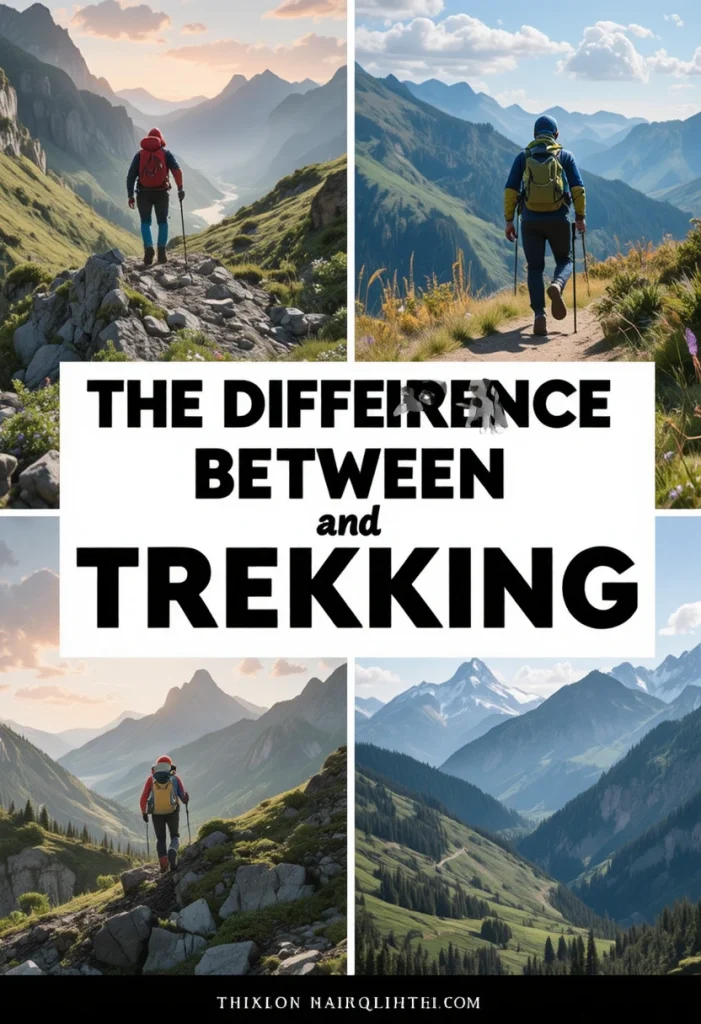
Before you lace up your boots, it is helpful to understand what kind of adventure you are signing up for.
Hiking generally refers to long, vigorous walks on pre-charted trails or man-made tracks. These are usually day-long excursions or short overnight trips. The focus is often on a specific destination—a waterfall, a summit, or a scenic lookout—returning to a base camp or a vehicle by nightfall.
Trekking, on the other hand, is a more rigorous journey. It involves walking over several days or weeks, often in areas where there are no easy means of transport. Trekking is as much about the journey as the destination. You might be crossing mountain passes, navigating through dense jungles, or traversing desert plains, often carrying your own shelter and supplies.
Why We Head to the Trails: The Benefits of Trekking
The reasons people pursue hiking and trekking trips are as varied as the landscapes they explore. Beyond the obvious physical workout, there are profound mental and emotional rewards.
1. Physical Health and Longevity
Hiking is one of the best full-body workouts available. Unlike a treadmill, uneven trail terrain engages stabilizing muscles in your core, ankles, and hips. It improves cardiovascular health, builds bone density, and burns calories at a rate that few other low-impact activities can match.
2. Mental Clarity and Stress Reduction
The “green exercise” effect is well-documented. Spending time in nature lowers cortisol levels (the stress hormone) and can significantly reduce symptoms of anxiety and depression. The rhythmic nature of walking, combined with the absence of screens, allows the brain to enter a state of “soft fascination,” which restores cognitive resources.
3. Connection and Community
While solo hiking offers a great deal of introspection, group treks foster deep bonds. There is something about sharing a difficult climb or a sunset over a ridge that turns strangers into lifelong friends.
Essential Gear for Hiking and Trekking Trips
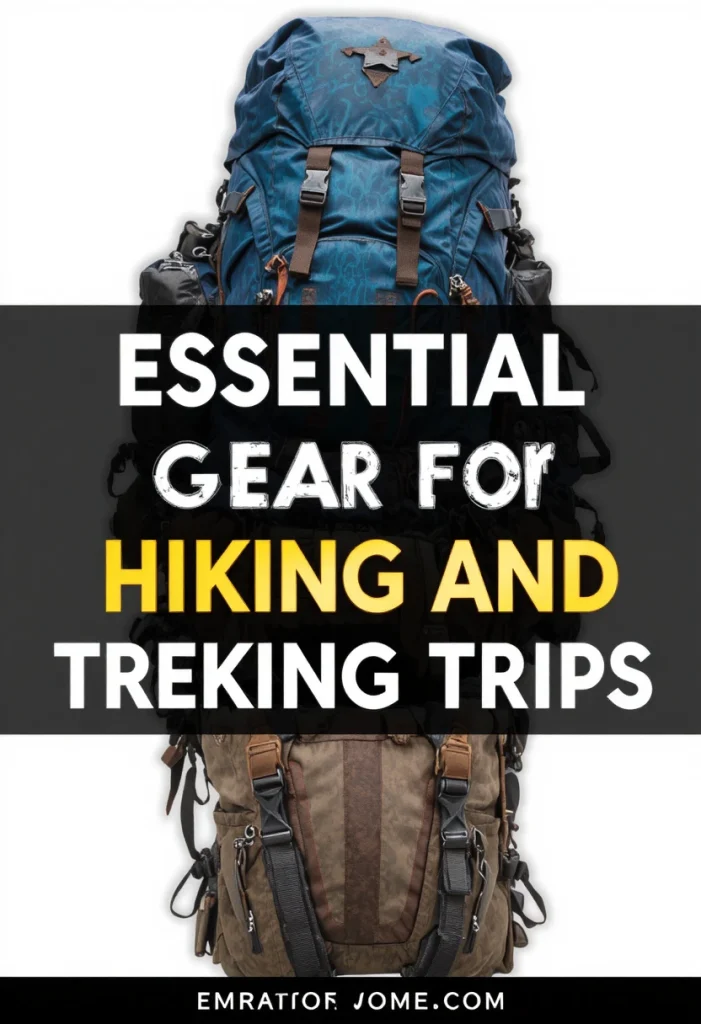
Preparation is the difference between a memorable adventure and a dangerous ordeal. Depending on the duration of your trip, your gear list will vary, but the “Ten Essentials” should always be your foundation.
Footwear: The Foundation of Your Trip
Your boots are your most important piece of equipment. For casual day hikes, a pair of lightweight trail runners might suffice. However, for serious hiking and trekking trips, you need sturdy boots with ankle support and deep lugs for traction. Always break your boots in before a major trip to avoid the dreaded “blister-induced” retreat.
The Layering System
Weather in the mountains is notoriously fickle. The key to staying comfortable is the layering system:
- Base Layer: Moisture-wicking fabric (like merino wool or synthetic) to keep sweat away from your skin.
- Mid Layer: An insulating layer (fleece or a down jacket) to trap body heat.
- Outer Layer: A waterproof and windproof shell to protect you from the elements.
Navigation and Safety
Even if you are on a well-marked trail, always carry a physical map and a compass. GPS devices and smartphone apps are excellent, but batteries can die and signals can fail. Additionally, a first-aid kit, a multi-tool, and a headlamp should never be left behind.
Top Destinations for Hiking and Trekking Trips Around the World
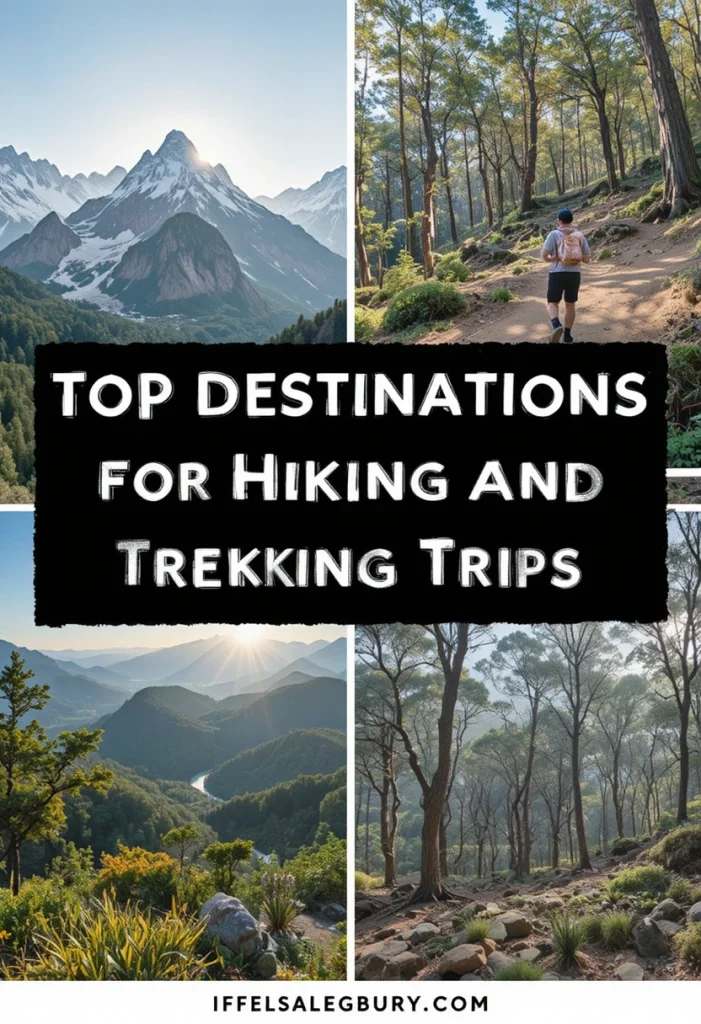
If you are looking for inspiration for your next outing, the globe is dotted with iconic trails that offer life-changing experiences.
1. The Inca Trail, Peru
Perhaps the most famous trek in the world, this path leads you through ancient ruins and cloud forests, culminating in the breathtaking sight of Machu Picchu at sunrise. It is a challenging four-day trek that requires permits well in advance.
2. The Tour du Mont Blanc, Europe
This classic trek circles the Mont Blanc massif, passing through France, Italy, and Switzerland. It offers world-class alpine scenery, charming mountain huts (refuges), and some of the best trail food you will ever experience.
3. The Appalachian Trail, USA
For those seeking a long-term challenge, the “AT” stretches over 2,000 miles from Georgia to Maine. While few complete the entire “thru-hike” in one go, section hiking parts of this trail is a staple for American outdoor enthusiasts.
4. Everest Base Camp, Nepal
This is the holy grail for many trekkers. Walking in the shadow of the world’s highest peaks, you will experience Sherpa culture, high-altitude landscapes, and the incredible camaraderie of the international trekking community.
Sustainable Trekking: Leave No Trace
As the popularity of hiking and trekking trips grows, so does our impact on the environment. It is the responsibility of every hiker to practice “Leave No Trace” principles to ensure these wild spaces remain pristine for generations to come.
- Plan Ahead and Prepare: Know the regulations and special concerns of the area.
- Travel and Camp on Durable Surfaces: Stay on the trail to avoid eroding the soil and destroying plant life.
- Dispose of Waste Properly: If you pack it in, pack it out. This includes biodegradable items like orange peels or nut shells, which can take years to decompose in high-altitude environments.
- Leave What You Find: Preserve the past; examine but do not touch cultural or historic artifacts. Leave rocks, plants, and other natural objects as you found them.
- Minimize Campfire Impacts: Use a lightweight stove for cooking and enjoy the stars instead of a large fire.
Planning Your First Trek: A Step-by-Step Guide
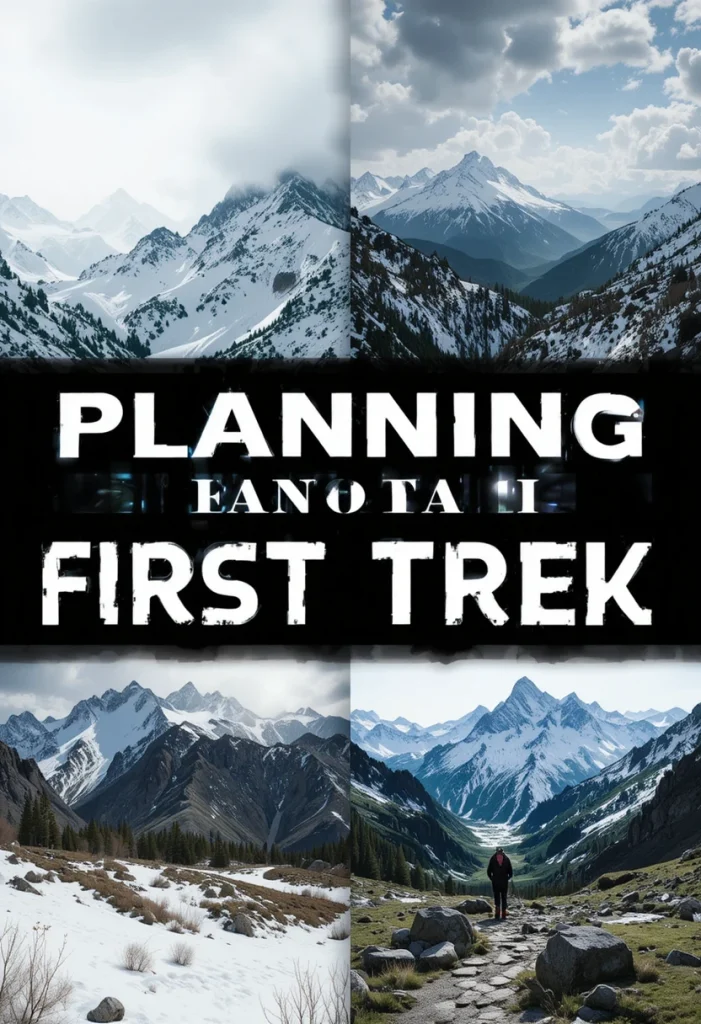
If you are new to the world of trekking, start small. Don’t book a 10-day high-altitude trek if you haven’t spent four hours on a local trail yet.
Step 1: Assess Your Fitness
Be honest about your physical condition. If you plan on doing a multi-day trek, start a training regimen that includes cardio, strength training (specifically legs and core), and—most importantly—walking with a weighted pack.
Step 2: Research the Route
Read trip reports, check elevation profiles, and understand the water sources along the way. For beginners, choosing a “teahouse trek” (where you sleep in lodges) rather than a camping trek can make the experience much more manageable.
Step 3: Check the Weather and Seasonality
A trail that is a lush paradise in July might be a dangerous ice field in October. Research the “best time to go” for your specific destination.
Step 4: Secure Permits
Many of the world’s best hiking and trekking trips require permits to limit foot traffic and protect the environment. Some permits, like those for the Enchantments in Washington or the Inca Trail, are issued via lottery months in advance.
The Importance of Professional Guidance

For those venturing into extreme environments or unfamiliar cultures, hiring a guide can enhance the experience. Guides don’t just show you the way; they provide historical context, handle logistics, and ensure your safety in the event of altitude sickness or injury.
When planning your logistics, it is also important to consider the broader aspects of travel. Whether you are flying across the world for a trek or driving to a local trailhead, ensuring your travel documents and safety protocols are in order is key. For more tips on preparing for international travel, you might find our guide on how to renew a passport helpful to ensure your paperwork is ready for that bucket-list trip to Nepal or Patagonia.
Furthermore, if your trekking goals are part of a larger lifestyle change focused on health and exploration, you can find more inspiration on maintaining an active lifestyle through our articles on adventure travel tips.
Conclusion: The Trail is Calling
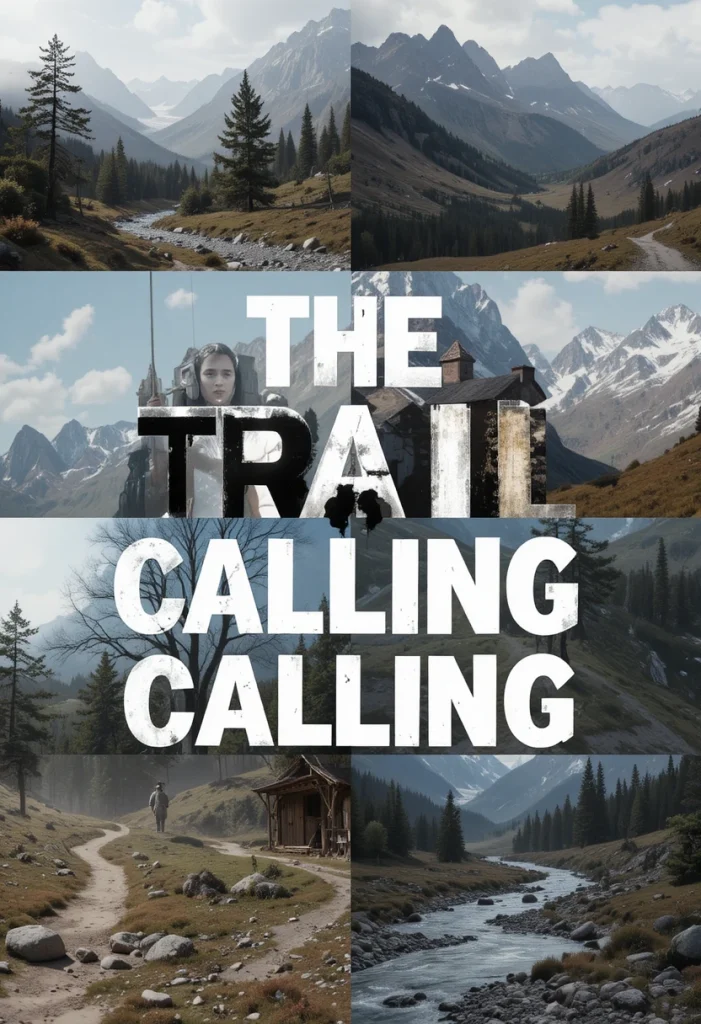
There is a profound simplicity in hiking and trekking trips. In a world that is increasingly complex, the act of putting one foot in front of the other, carrying only what you need on your back, is a powerful “reset” button. It reminds us of our resilience, our connection to the earth, and the beauty that exists far beyond the reach of a Wi-Fi signal.
Whether you are planning a weekend hike in your local state park or a month-long expedition in the Himalayas, the most important step is the first one out the door. The mountains are waiting, the trails are open, and the adventure of a lifetime is just a trek away.
So, pack your bags, check your maps, and head out. We’ll see you on the trail!


