
How to Embroidered Baby Items: A Complete Guide to Personalized Keepsakes
There is something deeply sentimental about a handmade gift, especially when it is for a new arrival. Learning how to embroidered baby items is more than just a craft; it is a way to weave love, patience, and history into the very fabric of a child’s early years. Whether you are a seasoned stitcher or a complete beginner picking up a needle for the first time, personalizing onesies, blankets, and bibs is a rewarding endeavor.
In this comprehensive guide, we will walk you through everything you need to know to create beautiful, safe, and professional-looking embroidered baby goods.
Why Embroider Baby Items?
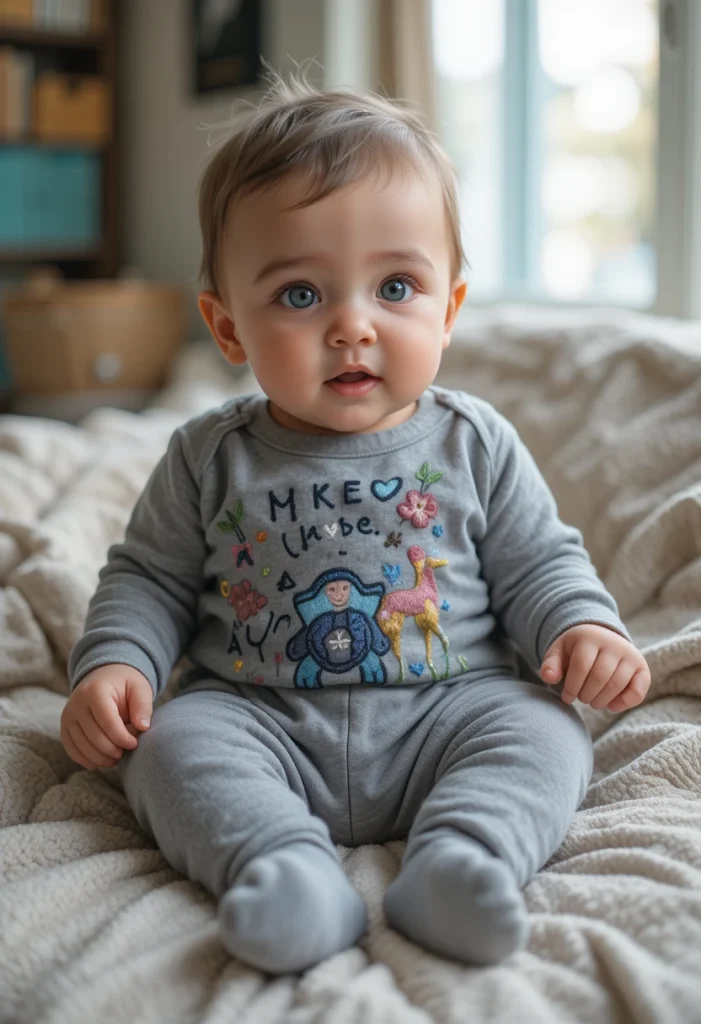
Hand-embroidered items stand out in a world of mass-produced baby gear. They become heirlooms—pieces that parents tuck away in memory boxes to show their children years later. Additionally, embroidery allows you to customize gifts with specific names, birth dates, or motifs that match the nursery’s theme. If the nursery features a vintage aesthetic, you might choose classic floral sprigs; if it is more modern, geometric shapes or bold initials might be the way to go.
Essential Tools and Materials
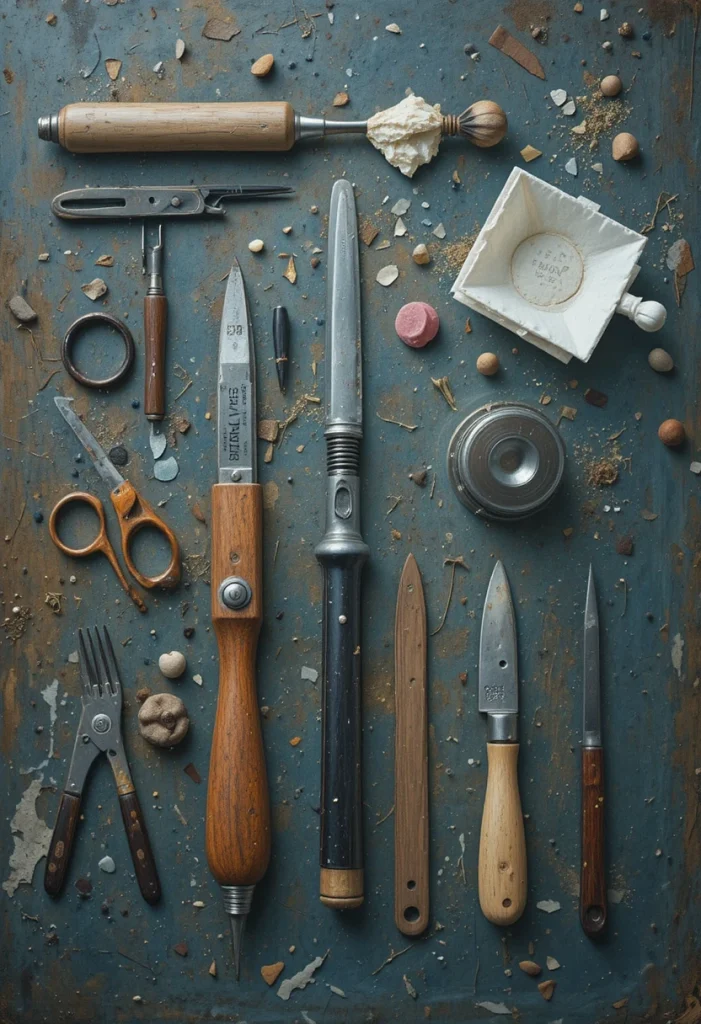
Before you dive in, you need the right supplies. Because baby skin is incredibly sensitive, the quality of your materials matters more here than in almost any other embroidery project.
1. The Fabric
Natural fibers are best. Look for 100% cotton onesies, linen bibs, or muslin swaddles. These materials are breathable and wash well. Avoid synthetic fabrics that might irritate a newborn’s skin.
2. Embroidery Floss
Standard cotton embroidery floss is the most common choice. Ensure it is colorfast (meaning the dye won’t bleed when washed). For a softer touch, some crafters use silk or bamboo thread, though cotton remains the most durable for items that will see a lot of milk spills and diaper blowouts.
3. Needles
A set of embroidery needles (sizes 5 to 9) will cover most of your needs. The eye is larger than a standard sewing needle, making it easier to thread multiple strands of floss.
4. Stabilizers: The Secret Ingredient
Baby items, particularly onesies, are often made of stretchy knit fabric. If you try to embroider directly onto a stretchy shirt, your design will pucker and distort. A “sticky” water-soluble stabilizer or a tear-away stabilizer is essential to keep the fabric taut and the stitches even.
5. Embroidery Hoops
A small hoop (4 to 6 inches) is usually best for baby items, as the “canvas” area is quite small.
Preparing Your Design

When deciding how to embroidered baby items, the design phase is where your creativity shines.
- Monograms: Simple and elegant.
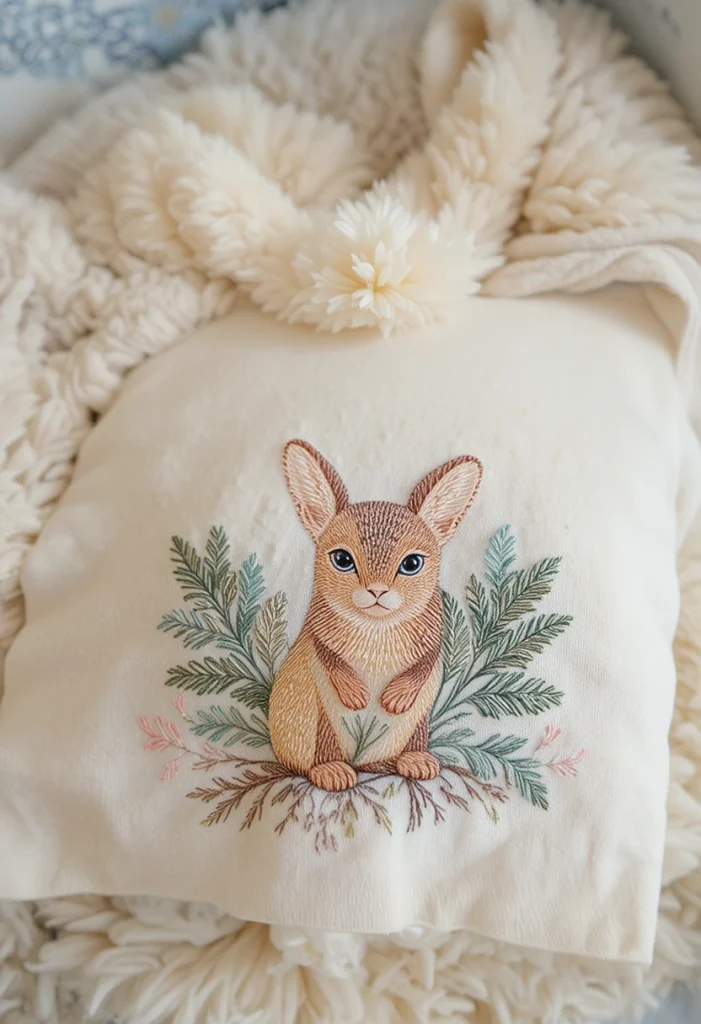
- Animals: Lambs, bunnies, and bears are timeless.
- Seasonal Themes: If the baby is born near a holiday, you might take inspiration from seasonal decor. For an October baby, subtle Halloween indoor decorations like tiny pumpkins can be adorable. For a winter baby, delicate snowflakes or Christmas-themed motifs are perfect.
Pro Tip: Use a heat-erasable pen or a water-soluble marker to trace your design onto the fabric. Never use a standard ballpoint pen, as the ink can bleed and ruin the garment.
Step-by-Step: How to Embroidered Baby Items
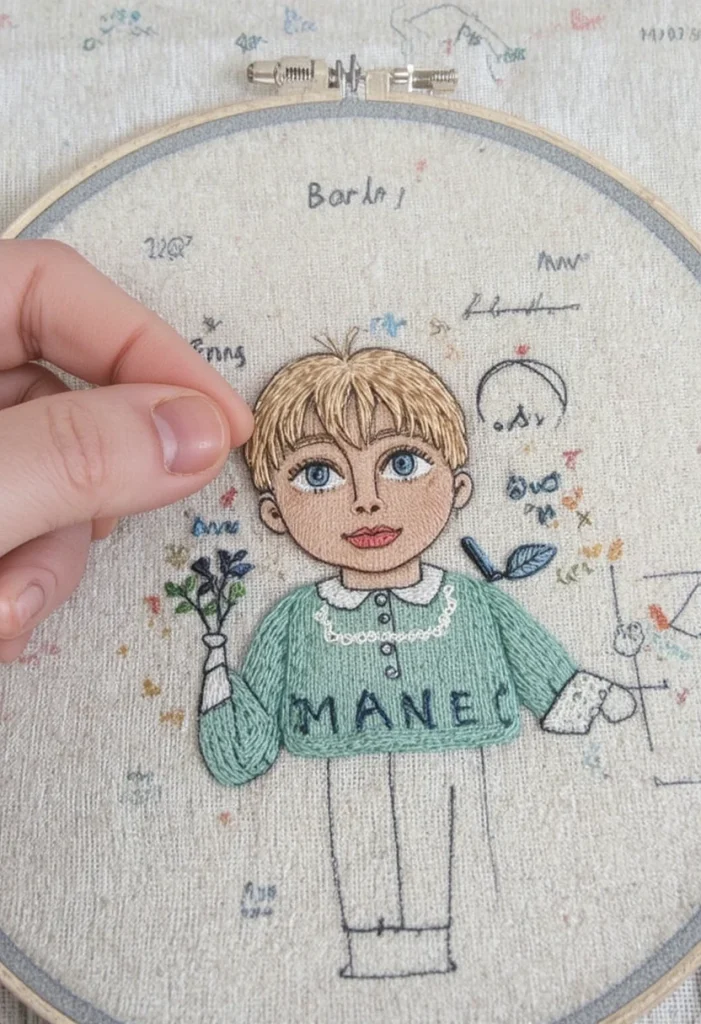
Step 1: Prep the Garment
Wash and dry the item first. New clothes often shrink slightly during their first wash. By pre-washing, you ensure your embroidery won’t warp after the first time the baby wears it.
Step 2: Apply the Stabilizer
If you are working on a stretchy onesie, cut a piece of stabilizer slightly larger than your embroidery hoop. If using a stick-on version, adhere it to the front or back of the fabric where you plan to stitch. This provides the “bones” for your stitches.
Step 3: Hooping
Place the inner ring of the hoop inside the garment and the outer ring on top. Pull the fabric just enough so it is “drum tight,” but be careful not to stretch the fabric out of shape. Tighten the screw.
Step 4: Stitching
Start stitching from the center of your design and work outward. For baby items, avoid using long “float” stitches (like long satin stitches), as tiny fingers can get caught in them. Backstitching, stem stitches, and French knots are generally safer and more durable.
Step 5: Finishing the Back
This is the most important step for baby comfort. The back of embroidery can be scratchy. Once you finish your design, trim your threads closely. Use a product called “Cloud Cover” or a soft fusible tricot interfacing to cover the back of the stitches. This creates a smooth barrier between the embroidery and the baby’s skin.
Safety Considerations
When learning how to embroidered baby items, safety must be your top priority.
- Avoid Beads and Sequins: These are major choking hazards. Stick to thread only.
- Secure Your Ends: Ensure every thread is knotted securely and woven back into the design. You don’t want the embroidery unraveling in the wash or coming loose near the baby.
- Softness: Always check the “heaviness” of the design. A massive, dense embroidery patch on a tiny newborn’s chest can be stiff and uncomfortable. Keep designs light and airy.
Gift Ideas and Inspiration
If you are looking for more than just a name on a shirt, consider these creative ideas:
- Birth Stat Pillows: While not for the crib (for safety), a decorative pillow for the nursery chair featuring the weight, height, and time of birth is a stunning gift.
- Personalized Stockings: If you are crafting during the holidays, you can look at traditional Christmas tree decorations and match the embroidery on a baby’s first stocking to the family’s holiday theme.
- Milestone Blankets: Embroider numbers 1 through 12 on a large muslin swaddle so parents can take monthly photos of the baby’s growth.
Maintenance: How to Wash Embroidered Baby Items
Hand-embroidered items require a little extra care. Advise the recipient to wash the item inside out in a mesh laundry bag on a delicate cycle. Use a mild, baby-safe detergent. If the embroidery gets wrinkled, iron it from the back on a low setting, placing a thick towel underneath the design so the stitches don’t get flattened.
The Joy of the Craft
Embroidery is a slow craft. It requires you to sit down, focus, and take one stitch at a time. In the hustle and bustle of preparing for a new baby—or finding the perfect gift for a friend—this slow pace is a gift in itself.
Whether you are decorating a nursery with cozy aesthetic touches or just looking for a way to make a plain bib look special, knowing how to embroidered baby items is a skill that will serve you for years to come. As the child grows, you can move from onesies to denim jackets and school backpacks, continuing the tradition of handmade love.
Conclusion
Personalizing baby items with embroidery is a beautiful way to show you care. By choosing the right fabrics, using stabilizers for stretchy knits, and ensuring the back of the work is soft enough for delicate skin, you can create professional-grade gifts.
Don’t be afraid to experiment with different colors and patterns. From tiny Valentine hearts to sophisticated floral monograms, the possibilities are endless. Grab your hoop, select your favorite floss, and start creating a masterpiece that a little one will cherish for a lifetime. Happy stitching!