Hiking and Trekking Trips: The Ultimate Guide to Exploring the Great Outdoors
There is an primal call that echoes through the silence of a mountain range and the rustle of a dense forest. It is a call to lace up your boots, pack your essentials, and leave the digital hum of modern life behind. Hiking and trekking trips are more than just physical exercise; they are a journey into the heart of nature and, ultimately, a journey into oneself.
Whether you are looking for a weekend stroll through local woodland or an arduous multi-day expedition across high-altitude passes, the world of pedestrian travel offers something for everyone. In this comprehensive guide, we will explore the nuances of hiking and trekking, how to prepare for your next adventure, and the best destinations to satisfy your wanderlust.
Understanding the Difference: Hiking vs. Trekking
While the terms are often used interchangeably, there is a subtle distinction between the two. Understanding this helps you choose the right trip for your fitness level and expectations.
Hiking
Hiking generally refers to long, vigorous walks on pre-charted trails or man-made tracks. Most hiking trips are completed within a single day—often referred to as day hikes. The terrain can range from flat coastal paths to steep mountain inclines, but the “end goal” is usually a return to a base or a vehicle by nightfall.
Trekking
Trekking is the more ambitious sibling of hiking. It involves multi-day journeys through areas where there are typically no means of transport. Trekking is about endurance and immersion. You aren’t just visiting the wilderness; you are living in it. This often involves camping or staying in basic mountain huts, carrying heavier packs, and navigating more technical terrain.
Why We Head to the Hills: The Benefits of Hiking and Trekking Trips
The popularity of outdoor adventure has surged in recent years, and for good reason. The benefits of hitting the trail extend far beyond the physical.
- Mental Clarity and Stress Relief: Nature acts as a natural reset button. Studies have shown that spending time in “green spaces” reduces cortisol levels and helps alleviate symptoms of anxiety and depression.
- Physical Longevity: Regular hiking improves cardiovascular health, builds muscle tone in the lower body, and enhances core stability.
- Connection with Nature: In a world dominated by screens, hiking and trekking trips provide a much-needed connection to the rhythm of the natural world.
- Community and Solitude: Whether you go with a group of friends or embark on a solo mission, the trail provides a unique space for deep conversation or profound introspection.
Essential Gear for Your Adventure

Your gear can make or break your experience. While you don’t need the most expensive equipment to start, investing in quality basics is essential for safety and comfort.
Footwear: The Foundation
Your boots are your most important asset. For simple hikes, lightweight trail runners might suffice. However, for rugged trekking, you need sturdy, waterproof boots with excellent ankle support and a “lugged” sole for grip. Always break in your boots before a long trip to avoid the dreaded “trail blisters.”
The Layering System
Weather in the mountains is notoriously fickle. The key to staying comfortable is the three-layer system:
- Base Layer: Moisture-wicking fabric (like merino wool) to keep sweat away from your skin.
- Mid Layer: An insulating layer (like a fleece or down jacket) to trap body heat.
- Outer Layer: A breathable, waterproof shell to protect against wind and rain.
Navigation and Safety
Never rely solely on your smartphone. Cold temperatures can drain batteries, and thick canopy can kill GPS signals. Always carry:
- A physical map and compass (and know how to use them).
- A first-aid kit tailored to hiking injuries (blister pads, antiseptic, bandages).
- An emergency whistle and a multi-tool.
Planning Your First Major Trek
Choosing Your Route
Start by assessing your fitness level honestly. If you haven’t hiked with a 30lb pack before, don’t sign up for a 50-mile trek with 10,000 feet of elevation gain. Research trail conditions, water availability, and whether permits are required. Many popular routes, such as the Inca Trail or the Milford Track, require bookings months in advance.
Training for the Trail
Trekking fitness is specific. The best way to train for a trek is to hike. Start with smaller hills and gradually increase the weight of your pack. Incorporate strength training, focusing on your glutes, hamstrings, and core, to help you manage steep descents and uneven ground.
Iconic Destinations for Hiking and Trekking Trips
The globe is crisscrossed with legendary trails. Here are a few bucket-list destinations that offer world-class experiences:
1. The Himalayas, Nepal
The gold standard for trekkers. Whether it’s the iconic Everest Base Camp trek or the culturally rich Annapurna Circuit, the Himalayas offer unparalleled scale. You’ll walk through rhododendron forests, cross suspension bridges over glacial rivers, and sleep in “teahouses” run by local Sherpa families.
2. Patagonia, Chile and Argentina
Home to the famous “W” Trek in Torres del Paine, Patagonia is a land of granite spires, turquoise lakes, and massive glaciers. The weather here is wild—it’s common to experience four seasons in a single hour—but the dramatic landscapes are worth every gust of wind.
3. The Tour du Mont Blanc, Europe
This classic trek circles the Mont Blanc massif, passing through France, Italy, and Switzerland. It is one of the most accessible “high-end” treks, offering comfortable mountain refuges and some of the best alpine scenery (and food) in the world.
4. The Appalachian Trail, USA
For those seeking a true test of endurance, the “AT” stretches over 2,000 miles from Georgia to Maine. While few have the months required to “thru-hike” the whole thing, the trail offers endless opportunities for shorter sectional hiking and trekking trips that capture the beauty of the American East.
Respecting the Wilderness: Leave No Trace
As hikers and trekkers, we are guests in the wilderness. The “Leave No Trace” principles are the gold standard for outdoor ethics:
- Plan Ahead and Prepare: Minimize risk and waste.
- Travel and Camp on Durable Surfaces: Stay on the trail to prevent erosion.
- Dispose of Waste Properly: If you pack it in, pack it out. This includes organic waste like banana peels, which can take years to decompose in certain environments.
- Leave What You Find: Preserve the past; leave rocks, plants, and artifacts as you found them.
- Minimize Campfire Impacts: Use a lightweight stove for cooking instead of building fires.
- Respect Wildlife: Observe from a distance and never feed animals.
- Be Considerate of Other Visitors: Yield to uphill hikers and keep noise levels down.
Overcoming Challenges on the Trail
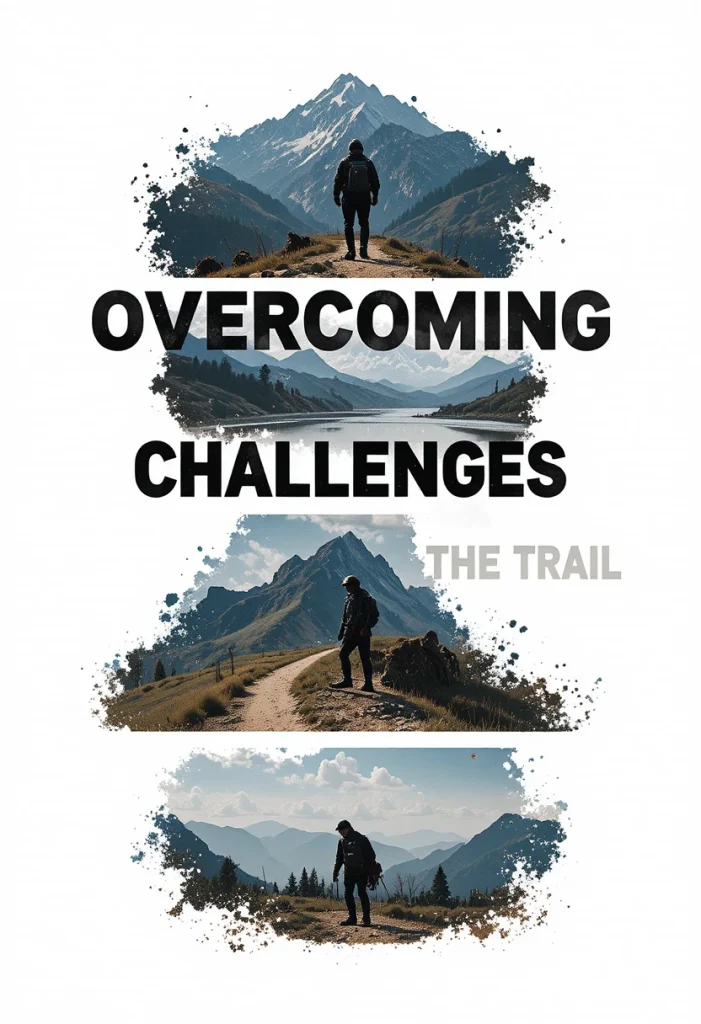
Even the best-planned trips encounter hurdles. Knowing how to handle them is what separates a novice from a seasoned trekker.
Dealing with Blisters
The moment you feel a “hot spot” on your foot, stop. Don’t wait until you reach the campsite. Apply moleskin or a specialized blister plaster immediately. Keeping your feet dry and changing socks halfway through the day can also prevent friction.
Altitude Sickness
When participating in high-altitude hiking and trekking trips, Acute Mountain Sickness (AMS) is a real risk. The key is gradual ascent. Drink plenty of water, avoid alcohol, and listen to your body. If you develop a persistent headache, nausea, or dizziness, the only cure is to descend to a lower altitude.
Weather Changes
If you see a storm rolling in while you are on an exposed ridge, get down to lower ground immediately. Lightning is a serious threat in mountainous terrain. Always check the forecast before you head out, but be prepared for the forecast to be wrong.
The Future of Trekking: Sustainable Adventure

As the world becomes more aware of environmental impact, the trekking community is shifting toward more sustainable practices. This includes choosing local guides to ensure tourism dollars stay within the community and opting for “slow travel” methods that reduce carbon footprints.
By choosing hiking and trekking trips that prioritize conservation and respect for local cultures, we ensure that these magnificent trails remain open and beautiful for generations to come.
Conclusion: Your Next Step
The beauty of hiking and trekking is its simplicity. It strips away the complexities of life and reduces your world to the next step, the next breath, and the next view. Whether you are seeking a physical challenge, a spiritual retreat, or simply a breath of fresh air, the trails are waiting.
So, where will your boots take you next? Whether it’s a local path or a mountain range on the other side of the planet, the most important thing is to start. Grab your map, check your gear, and step out the door. The adventure of a lifetime is just one trail away.