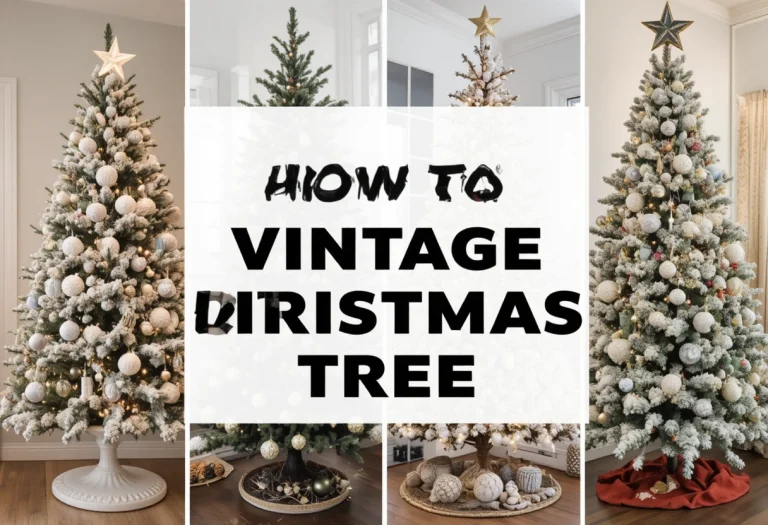
How to Decorate a Traditional Christmas Tree in Classic Red and Green
There’s something undeniably magical about a traditional Christmas tree dressed in red and green. This timeless color combination instantly evokes nostalgia, warmth, and the spirit of old-fashioned holidays. Whether you’re setting up your very first real tree or continuing a family tradition that goes back decades, a red-and-green theme never goes out of style.
In this guide, we’ll walk you through every step of creating a stunning traditional Christmas tree using only classic red and green elements — from choosing the perfect tree to adding the final touches that make it sparkle. Let’s bring that cozy, vintage Christmas feeling into your home this year.
1. Start with the Right Tree
The foundation of any beautiful traditional Christmas tree is, of course, the tree itself.
For the most authentic look, opt for a real Fraser fir, Balsam fir, or Noble fir. These varieties have strong branches that hold heavy ornaments well and give off that irresistible fresh pine scent. If allergies or maintenance are a concern, today’s artificial trees are incredibly realistic — look for one labeled “most realistic” or “PE (polyethylene) tips.”
Pro tip: Choose a tree that’s about 6–12 inches shorter than your ceiling height to leave room for a classic tree topper.
Related reading: How to Choose and Care for a Real Christmas Tree
2. Perfect the Shape Before You Decorate

Before a single ornament goes on, fluff and shape the branches. This step is especially important with both real and artificial trees.
- Start at the bottom and work your way up.
- Separate each branch tip and fan them out at slightly different angles for a natural, full look.
- For real trees, gently bend stubborn branches downward to hide the trunk and create depth.
A well-shaped tree makes every subsequent step easier and ensures your traditional red and green ornaments shine.
3. Add Lights First — Lots of Them

Nothing brings a traditional Christmas tree to life like warm white lights. Skip the multicolored or cool-white LEDs if you want that vintage glow.
Rule of thumb: Use 100 lights per foot of tree height. For a 7-foot tree, that’s at least 700 lights. Yes, it sounds like a lot — but trust us, it’s worth it.
String the lights from the inside out:
- Start at the base of the trunk.
- Weave lights in and out of branches, pushing some deeper for depth.
- Work vertically in sections rather than circling the tree horizontally — this prevents the “barber pole” look.
4. Choose Your Red and Green Ornament Palette
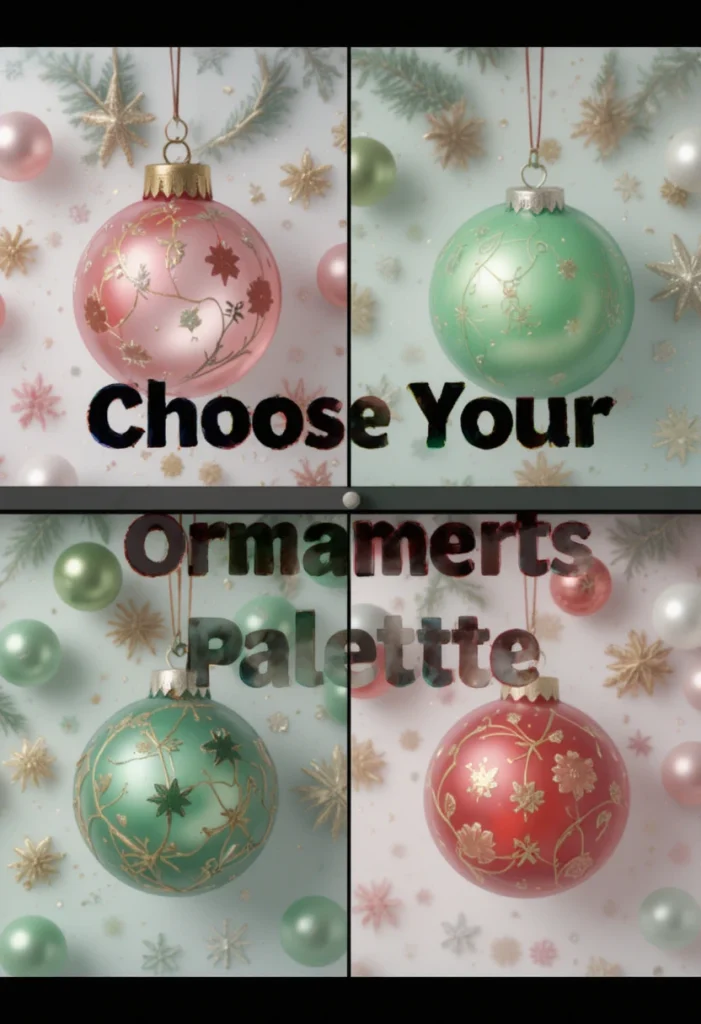
The heart of a traditional Christmas tree is its ornament collection. Stick to these classic finishes:
- Shiny and matte red glass balls in various sizes
- Deep forest green glass balls
- Gold accents (gold counts as a neutral in traditional schemes and adds warmth)
- Clear icicles or frosted pinecones for texture
- Velvet or satin ribbon in plaid, stripes, or solid red/green
Mix sizes generously: 60% large (4–6 inches), 30% medium, and 40% small fillers. This creates visual interest and that lush, abundant look you see in vintage Christmas cards.
Related reading: 25 Classic Christmas Ornaments That Never Go Out of Style
5. Hang Ornaments Like a Pro
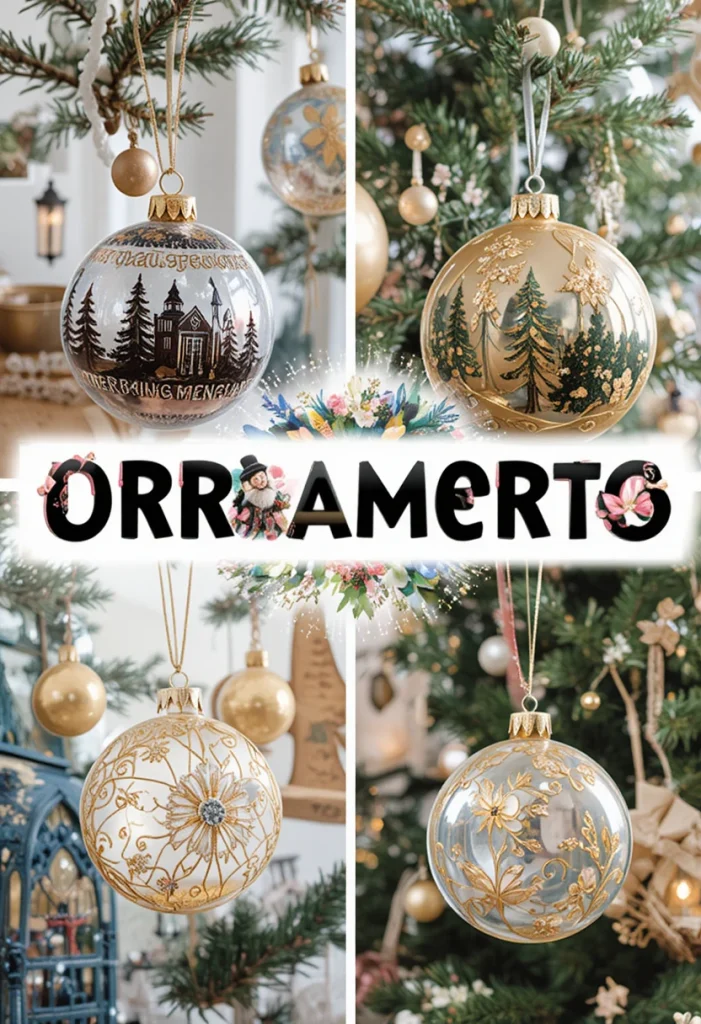
There’s a method to achieving that effortless, perfectly balanced traditional look:
- Hang larger ornaments first and place them deeper inside the tree to add depth.
- Follow with medium ornaments midway out on branches.
- Finish with small ornaments near the tips.
- Step back every few minutes to check balance — you’re aiming for even distribution, not perfect symmetry.
- Cluster similar ornaments in groups of 3–5 for impact rather than spreading everything evenly.
Don’t forget the inside branches! Placing ornaments deeper in makes the tree glow from within when the lights are on.
6. Layer in Ribbon or Garland
Ribbon is the secret ingredient that elevates a good traditional Christmas tree to breathtaking.
Popular choices for red and green themes:
- Wide wired plaid ribbon (red/green/gold)
- Velvet red ribbon
- Burlap with red stitching
- Classic red bead garland
Two techniques work beautifully:
Cascade method: Cut 2–3 yard lengths of ribbon, tuck the top into the tree near the trunk, and let it waterfall down in gentle loops.
Tuck and puff method: Cut ribbon into 12–18 inch pieces, tuck the center deep into the tree, and let the two tails puff out like a bow.
7. Add Natural and Textural Elements
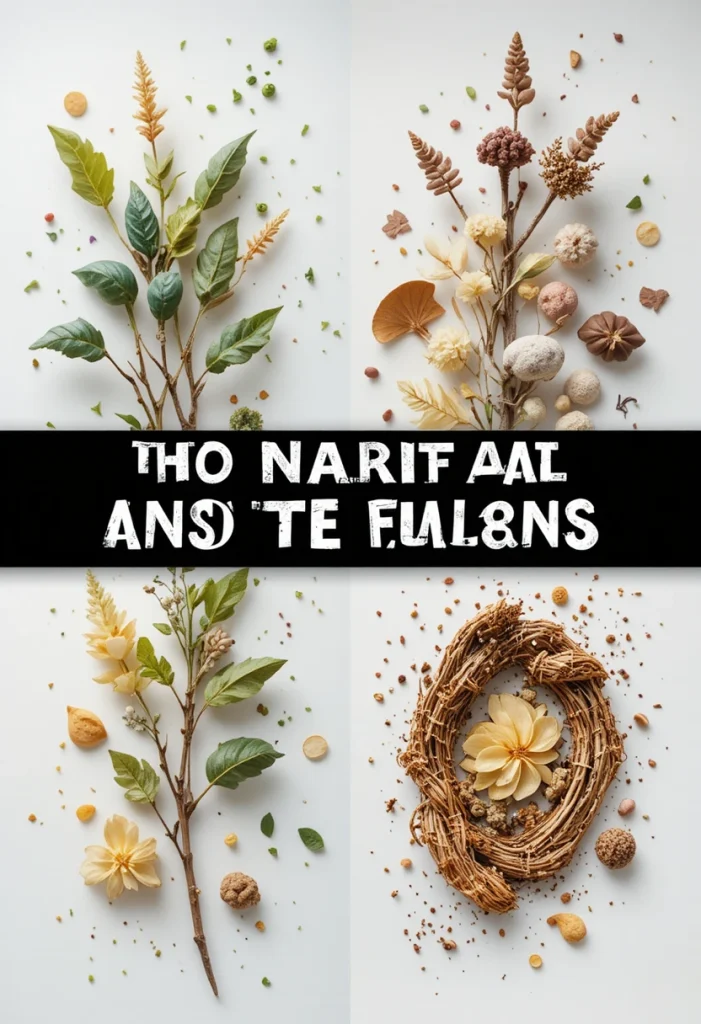
Bring the outdoors in with touches that complement the red and green palette:
- Real or faux pinecones sprayed lightly with gold or left natural
- Dried orange slices or cinnamon sticks tied with red ribbon
- Wooden cranberry strands
- Small bird ornaments or cardinal clips (cardinals in Christmas trees are a beloved tradition in many families)
These elements add warmth and that “collected over generations” feel.
8. Pick a Classic Tree Topper
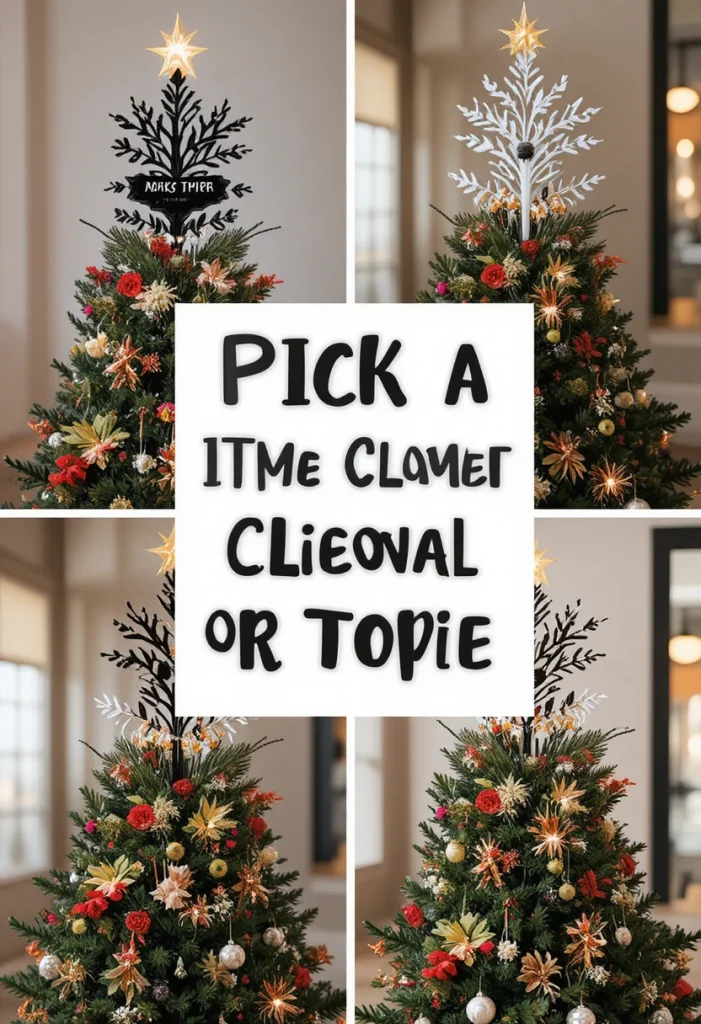
The crowning glory of any traditional Christmas tree is the topper. The most iconic choices:
- A large gold or red star
- A classic angel in cream or white with gold accents
- A oversized plaid bow with streaming ribbons
Make sure your topper is securely fastened — nothing ruins Christmas Eve faster than a toppling angel!
9. Finish with a Beautiful Tree Skirt
Hide the stand and catch falling needles with a tree skirt that ties everything together. Favorites for red and green themes:
- Red velvet with white faux-fur trim
- Burlap with red plaid border
- Quilted tree skirts in traditional patterns
- Knit or crochet skirts in cream with red/green accents
10. Final Touches & Fluffing
Once everything is on, take a final walk-around:
- Fill any sparse spots with extra ribbon or small ornaments
- Turn on the lights and view the tree from all angles (especially from where guests will see it most)
- Lightly mist a real tree with water and add a few drops of pine essential oil for extra fragrance
Step back, pour yourself some eggnog, and admire your masterpiece.
Why Red and Green Remains the Ultimate Christmas Combination
Red symbolizes the blood of Christ and the holly berries of ancient winter solstice celebrations, while green represents everlasting life and the evergreen tree itself. Together, they’ve adorned homes for centuries — from Victorian parlors to mid-century living rooms to today’s modern farmhouses. A traditional Christmas tree in red and green isn’t just decoration; it’s heritage.
This year, whether you’re using heirloom ornaments passed down from your grandmother or starting your own collection, embrace the timeless beauty of red and green. There’s a reason it’s never gone out of style — some things are classic for a reason.
Merry Christmas, and happy decorating!