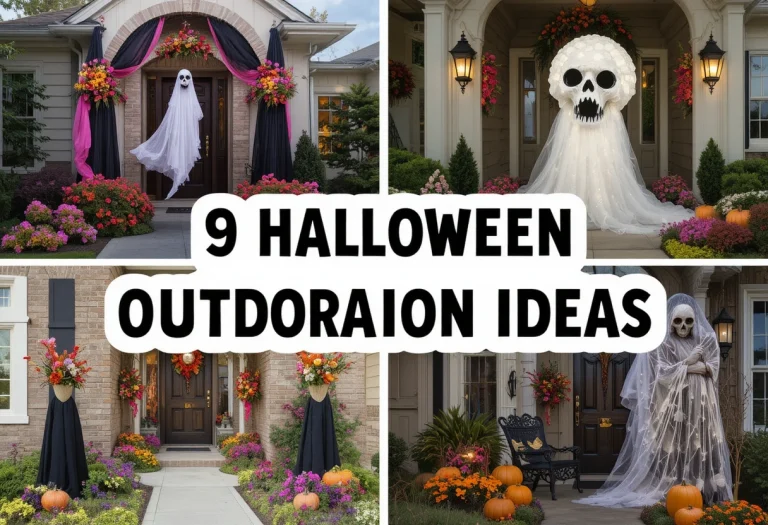
9 Halloween Vintage Paintings That Capture the Eerie Charm of Yesteryear
Halloween has always been a season steeped in mystery, folklore, and a touch of the macabre. While modern celebrations lean toward plastic pumpkins and LED-lit skeletons, there’s an undeniable allure in turning back the clock to explore Halloween vintage painting traditions. These artworks, often created in the 19th and early 20th centuries, blend whimsy with the supernatural, offering a glimpse into how our ancestors visualized ghosts, witches, and autumnal frights. In this post, we’ll dive into nine captivating Halloween vintage paintings that continue to enchant collectors, historians, and spooky season enthusiasts alike. From postcard illustrations to oil masterpieces, each piece tells a story that’s as timeless as it is chilling.
The Origins of Halloween Vintage Painting
Before we unveil our top picks, it’s worth understanding the roots of Halloween vintage painting. The holiday’s visual iconography exploded in the Victorian era, influenced by Celtic harvest festivals and American commercialization. Postcards became a popular medium around the turn of the 20th century, with artists like Ellen Clapsaddle and John Winsch producing mass-printed cards featuring black cats, jack-o’-lanterns, and mischievous imps. These weren’t just greetings; they were portable art that shaped public perception of Halloween.
Oil paintings and illustrations from this period often drew from Gothic literature, fairy tales, and rural superstitions. Artists used muted palettes, dramatic shadows, and intricate details to evoke nostalgia and unease. If you’re fascinated by how holidays evolve visually, check out our article on vintage postcard collections for more on this era’s ephemera.
1. “Witches’ Sabbath” by Francisco Goya (1798)
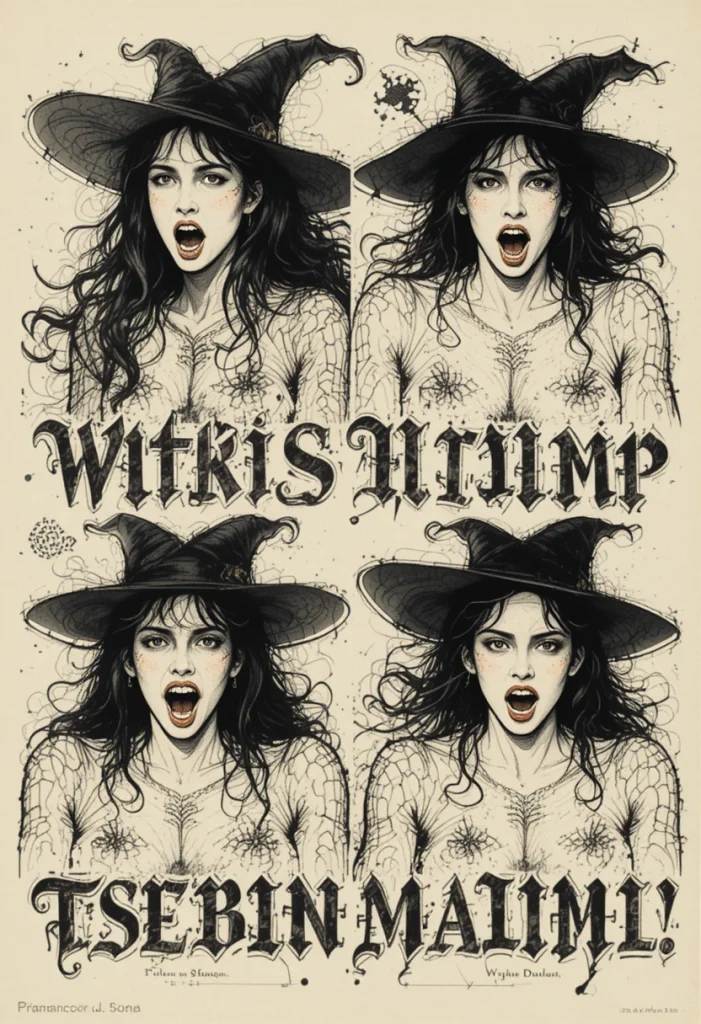
Kicking off our list is a true masterpiece that predates modern Halloween but perfectly embodies its spirit: Francisco Goya’s Witches’ Sabbath. This dark, satirical oil painting depicts a coven of hags gathered around the Devil in goat form, feasting on stolen children under a blood moon. Goya, a Spanish Romantic, was critiquing superstition and the Inquisition, but the imagery—broomsticks, cauldrons, and grotesque figures—has influenced countless Halloween vintage painting interpretations.
What makes it vintage Halloween gold? The raw emotion and fantastical elements resonate with today’s witchy aesthetics. Imagine this hanging in a dimly lit parlor during a 19th-century All Hallows’ Eve party. For deeper dives into Romantic art’s spooky side, explore our post on Gothic influences in classic paintings.
2. Ellen Clapsaddle’s Halloween Postcard Series (1900s-1910s)
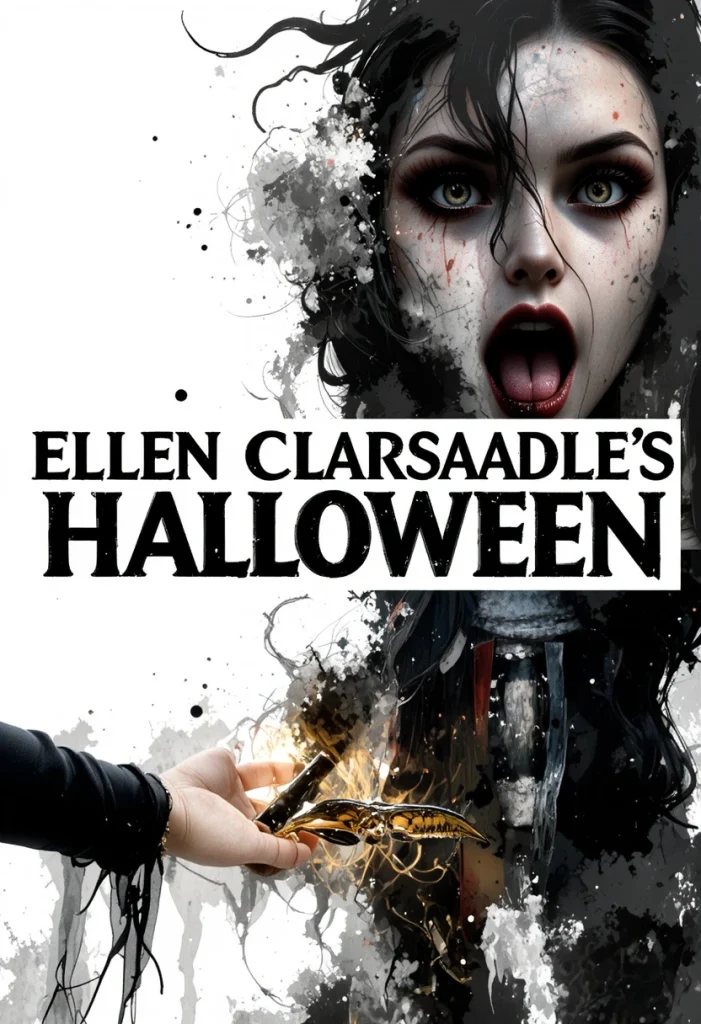
Ellen Hattie Clapsaddle was the queen of early 20th-century holiday illustrations, and her Halloween postcards are quintessential Halloween vintage painting artifacts. One standout features a wide-eyed child in a witch costume peering into a glowing jack-o’-lantern, surrounded by fluttering bats and autumn leaves. Signed “E. Clapsaddle” in her distinctive script, these were produced by the International Art Publishing Company and mailed worldwide.
Clapsaddle’s style—soft watercolors, playful yet eerie expressions—captured innocent frights without overwhelming horror. Over 3,000 of her designs exist, but Halloween ones fetch high prices at auctions today. Collectors love how they bridge childlike wonder and subtle spookiness. If postcard hunting intrigues you, link over to our guide on authenticating vintage Halloween ephemera.
3. “The Nightmare” by Henry Fuseli (1781)
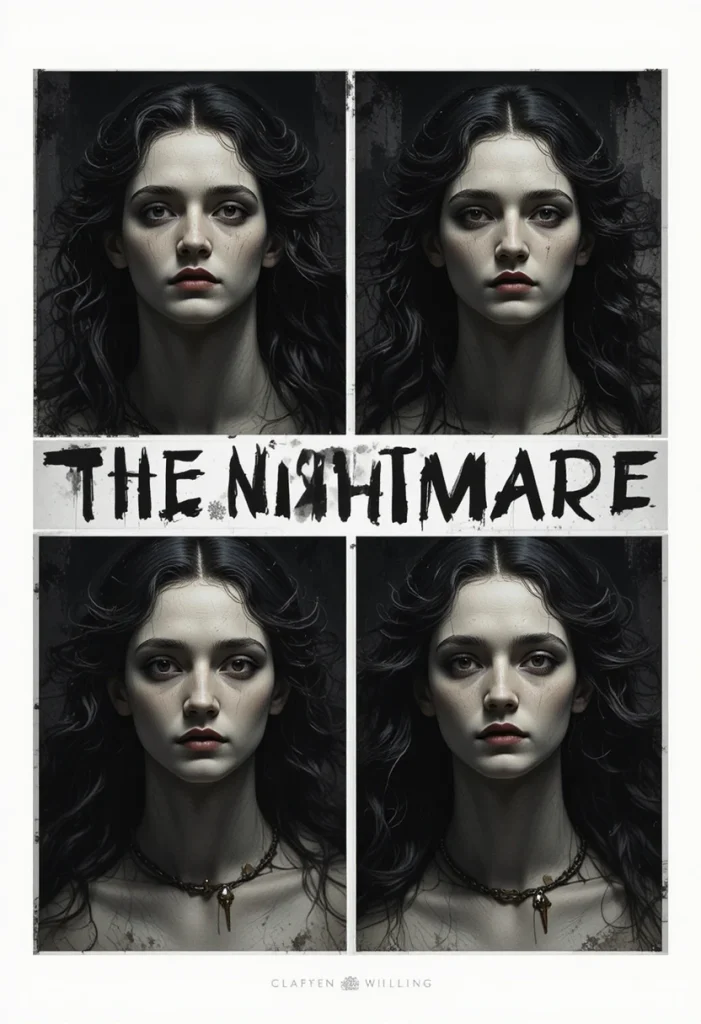
Though not explicitly Halloween-themed, Henry Fuseli’s The Nightmare is a cornerstone of Halloween vintage painting inspiration. This Swiss-British artist’s oil on canvas shows a sleeping woman draped over her bed, an incubus demon perched on her chest, and a ghostly horse peering through curtains. The erotic undertones and supernatural dread made it scandalous in its time.
Fuseli’s work influenced Gothic novels and later Halloween imagery, from vampire lore to haunted dreams. Vintage reproductions often appeared in 19th-century homes as conversation starters. Its psychological depth adds layers to any spooky art collection. Pair this with our exploration of dream symbolism in art for more insights.
4. John Winsch’s Embossed Halloween Postcards (1910s)
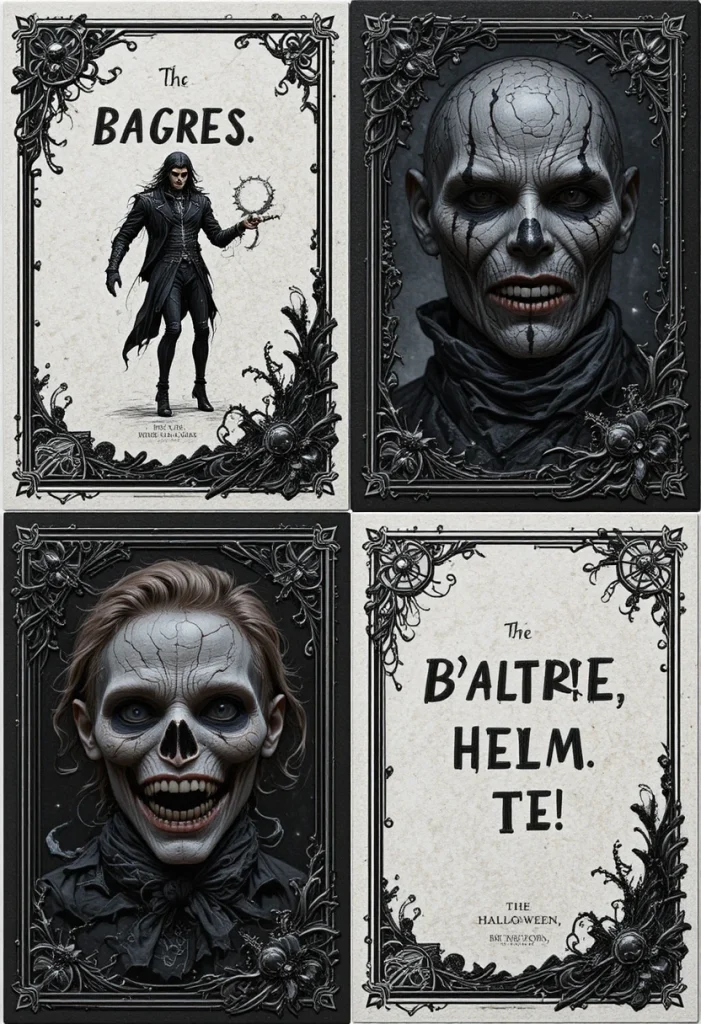
John Winsch, a German-American publisher, elevated Halloween vintage painting with embossed, die-cut postcards that popped with texture. A favorite depicts a jolly vegetable man (part pumpkin, part scarecrow) courting a lady in a cornfield under a harvest moon, with owls and black cats as witnesses. The metallic inks and raised details gave them a luxurious feel.
These cards reflected early 20th-century America’s shift toward fun, family-friendly Halloween. Winsch’s series often included fortunes or rhymes, like “May your Halloween be full of delight, with ghosts that vanish at morning’s light.” They’re highly sought by vintage enthusiasts. Discover preservation tips in our article on restoring old postcards.
5. “All Hallows’ Eve” by Anonymous Folk Artist (Late 1800s)
Unearthed from American attics, this unsigned oil painting portrays a rural Halloween scene: children bobbing for apples by candlelight, a fiddler playing tunes, and shadowy figures lurking outside the window. Attributed to itinerant folk artists, it embodies Halloween vintage painting at its most authentic—naive, heartfelt, and subtly ominous.
The charm lies in the details: carved turnips (pre-pumpkin tradition), homemade costumes from feed sacks, and a sense of community mingled with superstition. Such pieces remind us Halloween was once a harvest rite with pagan roots. For more on folk art traditions, see our feature on American primitive paintings.
6. Samuel Schmucker’s “Halloween Revels” (1912)
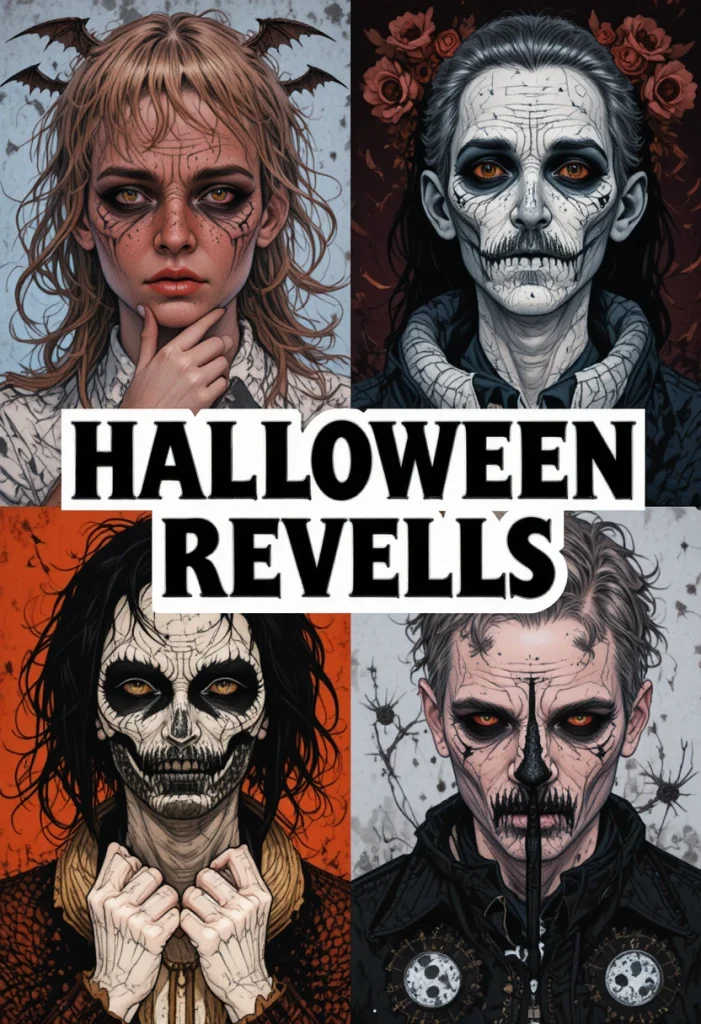
Samuel Schmucker, known for his Art Nouveau flair, created whimsical yet eerie illustrations for magazines and cards. Halloween Revels shows elegant witches in flowing gowns dancing around a bonfire, with owls perched on branches and jack-o’-lanterns grinning from afar. Published by Raphael Tuck & Sons, it’s a prime example of Halloween vintage painting blending beauty and the bizarre.
Schmucker’s use of vibrant oranges against midnight blues creates a festive mood with underlying mystery. His work influenced Disney’s early animations. Vintage prints of this are rare gems. Connect this to our discussion on Art Nouveau in holiday decor.
7. “The Ghost of the Pumpkin Patch” by Beatrix Potter (Unpublished Sketch, 1890s)
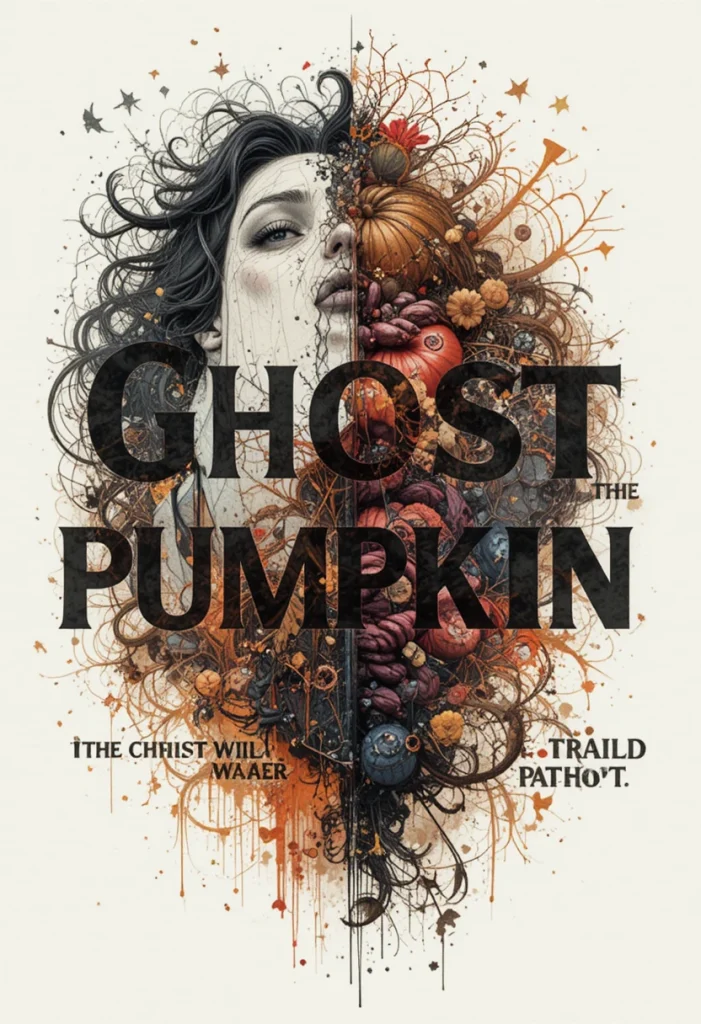
Best known for Peter Rabbit, Beatrix Potter dabbled in darker themes early on. This watercolor sketch, discovered in her archives, features a spectral figure rising from a pumpkin vine, startling a hedgehog and rabbit. While not officially a Halloween vintage painting, its autumnal spookiness fits perfectly.
Potter’s precise naturalism mixed with fantasy echoes Victorian children’s literature. It was likely a personal piece, never mass-produced, making originals museum-worthy. Animal lovers with a spooky bent will adore it. Explore more in our post on Beatrix Potter’s hidden works.
8. Jason Freixas’ Halloween Series for Dennison’s Bogie Books (1920s)
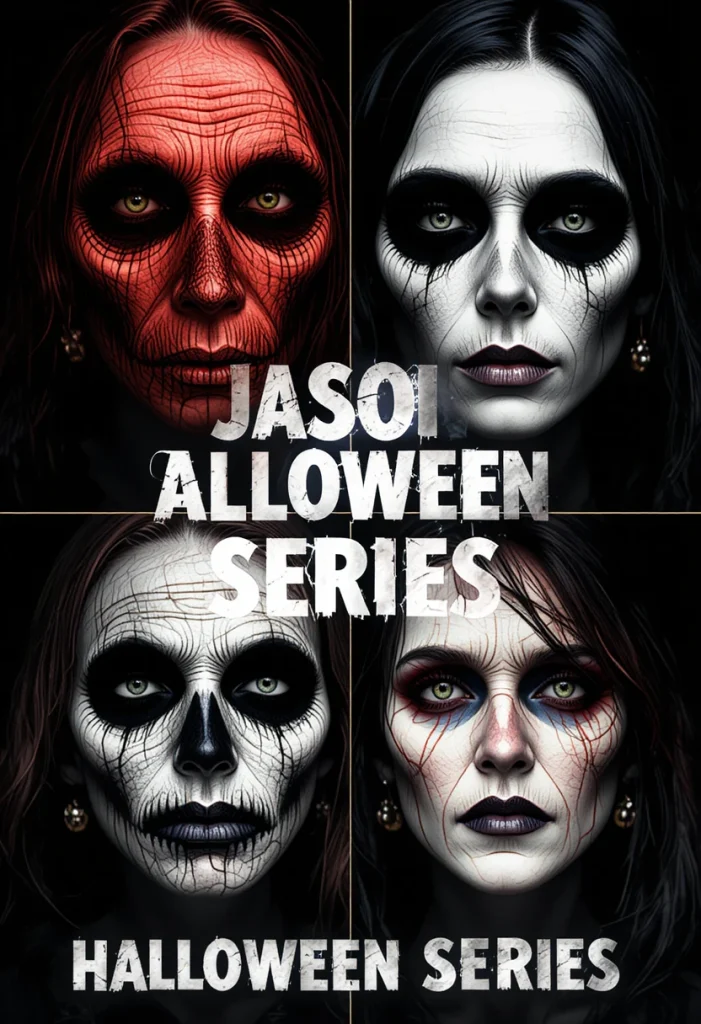
Dennison’s, a paper goods company, published annual Bogie Books with decoration ideas, and artist Jason Freixas illustrated covers like a cackling witch stirring a cauldron amid floating ghosts. These lithographs are iconic Halloween vintage painting examples from the Jazz Age.
Freixas’ bold lines and humorous horror captured the era’s party culture—think flapper witches and speakeasy séances. The books included cut-out masks, boosting DIY Halloween. Vintage Bogie Books are collector staples. Learn crafting from yesteryear in our vintage party decoration ideas.
9. “Midnight Ride of the Headless Horseman” by Anonymous Illustrator (Inspired by Irving, 1850s)
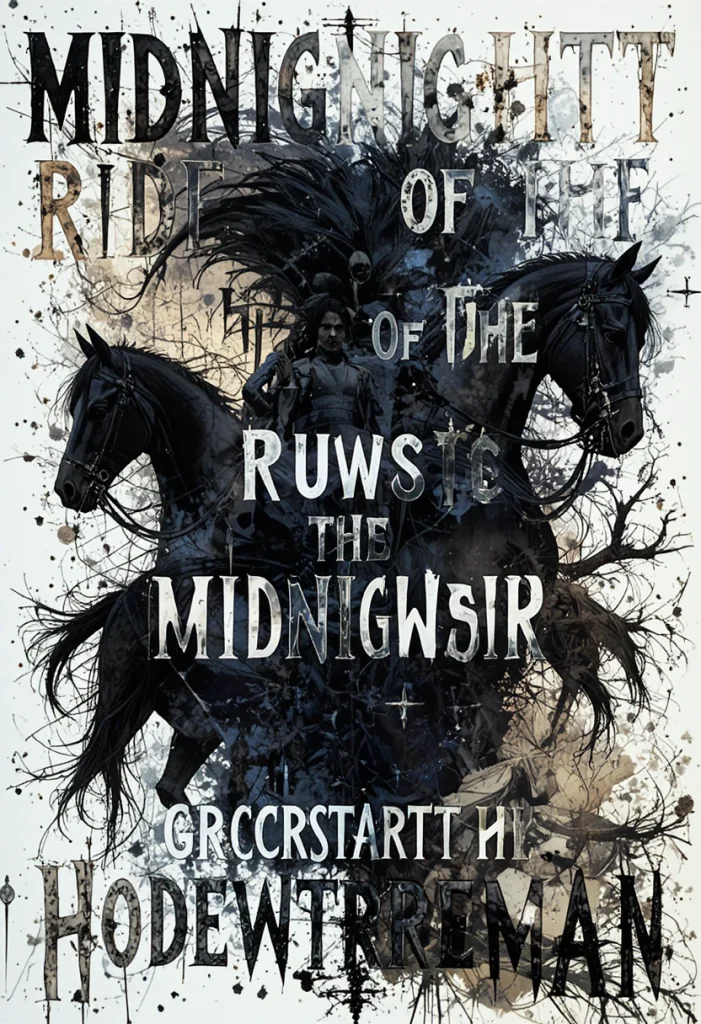
Washington Irving’s The Legend of Sleepy Hollow spawned countless visuals, but this mid-19th-century engraving stands out: Ichabod Crane fleeing the pumpkin-headed pursuer through foggy woods. Though more print than painting, its detailed shading qualifies it as Halloween vintage painting adjacent.
The drama—swirling capes, thundering hooves—epitomizes American Gothic. It appeared in illustrated editions and influenced film adaptations. Literary fans, delve into our analysis of Sleepy Hollow adaptations.
Why Collect Halloween Vintage Paintings Today?
In an age of digital filters and AI-generated art, Halloween vintage paintings offer tangible history. They connect us to past fears and festivities, from Irish samhnag (turnip lanterns) to German immigrant traditions. Prices range from $10 for postcards to thousands for oils, but the joy is in the hunt—flea markets, Etsy, or auctions.
Display tips: Frame with UV glass to preserve colors; group by theme for a gallery wall. For SEO-savvy collectors, search terms like “antique Halloween art” yield treasures. If you’re building a collection, our ultimate guide to vintage art investing is essential.
These nine pieces only scratch the surface of Halloween vintage painting riches. They remind us that scares from the past can still send shivers down modern spines. Whether you’re decorating your home or curating a digital mood board, let these artworks inspire your next All Hallows’ Eve. What’s your favorite vintage spooky find? Share in the comments!