Client-Style Makeover (Even Conceptual): Transforming Homes with Personality and Purpose
A client-style makeover (even conceptual) is more than just rearranging furniture or adding a fresh coat of paint. It’s about stepping into the client’s world understanding their lifestyle, aspirations, and aesthetic preferences and translating those into a cohesive, functional, and beautiful living space. Whether you’re a professional designer, a home decor enthusiast, or someone refreshing your own space, adopting a client-focused approach can completely transform the outcome.
In this blog post, we’ll explore how to plan and execute a makeover that feels deeply personal, even if it’s purely conceptual. From defining the vision to selecting the right color palette and furniture, here’s how to design with intention.
Understanding the Client-Style Makeover (Even Conceptual)
At its core, a client-style makeover (even conceptual) begins with empathy. Before selecting decor elements or drafting layouts, the key is understanding:
- Who will use the space?
- What emotions should the room evoke?
- What are the functional requirements?
- What budget and constraints are involved?
Even if the project is theoretical such as designing a mood board or portfolio concept the same principles apply. Imagine you’re designing for a young professional in a small apartment, a growing family in a suburban home, or a creative couple seeking a bold aesthetic. Each scenario demands a different approach.
If you’re new to defining aesthetics, exploring different home decor styles can help you identify themes that resonate with your imagined client.
Step 1: Define the Vision and Mood

The first stage of any makeover is vision-setting. This includes:
- Creating a mood board
- Selecting a color scheme
- Defining textures and materials
- Clarifying the overall vibe (modern, rustic, vintage, minimalist, etc.)
For example, if your conceptual client prefers clean lines and clutter-free spaces, you might draw inspiration from minimalist home decor. On the other hand, someone who loves charm and warmth may lean toward farmhouse interior design or even vintage touches.
Color plays a vital role in shaping mood. Soft neutrals create calm, while bold hues energize a space. You can explore creative palettes in wall colour ideas to match your client’s personality.
Step 2: Start with the Living Room Transformation

The living room is often the heart of the home and a great starting point for a client-style makeover (even conceptual).
Layout and Functionality
Ask yourself:
- Is the space used for entertaining?
- Is it family-centered?
- Does it double as a workspace?
For inspiration on layouts and decor, explore living room ideas that range from cozy and intimate to open and modern.
If your client prefers a dramatic look, elements from black living room ideas can introduce bold sophistication. Alternatively, for a light and airy feel, neutral palettes and layered textures work beautifully.
Furniture Selection
Furniture defines both function and style. When conceptualizing, consider scale, proportion, and comfort. A statement sofa can anchor the room check out inspiring sofa set ideas to guide your choices.
Balance the space with accent chairs, coffee tables, and smart storage solutions. Always imagine how your client will move through the room. The goal is to make it both beautiful and practical.
Step 3: Designing a Bedroom That Reflects Personality

A bedroom makeover is deeply personal. In a client-style makeover (even conceptual), this space should reflect comfort, intimacy, and individuality.
Choosing the Right Color Scheme
Color impacts sleep quality and emotional well-being. For a soothing retreat, explore calming palettes in bedroom color scheme ideas or warm, grounded tones from earthy bedroom ideas.
For bolder personalities, themes like pink bedroom decor ideas or dramatic red accents can make a statement.
Furniture and Layout
Select a bed that becomes the focal point. You can draw ideas from bed furniture design ideas to create a strong visual anchor.
Add layers with:
- Soft textiles
- Bedside tables
- Statement lighting
- Artwork or gallery walls
Wall styling is equally important. Browse creative inspiration in wall art ideas to personalize the room further.
Step 4: Elevating the Kitchen Conceptually

Kitchens combine aesthetics and functionality. In a client-style makeover (even conceptual), understanding cooking habits and storage needs is essential.
Style Direction
Does your client prefer sleek and modern or warm and traditional? For contemporary inspiration, explore interior design kitchen ideas. If they love a bright, clean aesthetic, white kitchen ideas can serve as a timeless foundation.
For a cozy, rustic feel, natural wood finishes or farmhouse touches can create warmth.
Practical Enhancements
Conceptual kitchen upgrades might include:
- Open shelving
- Smart storage solutions
- Decorative yet functional accessories
Take a look at kitchen cabinet storage ideas to ensure your design balances beauty and organization.
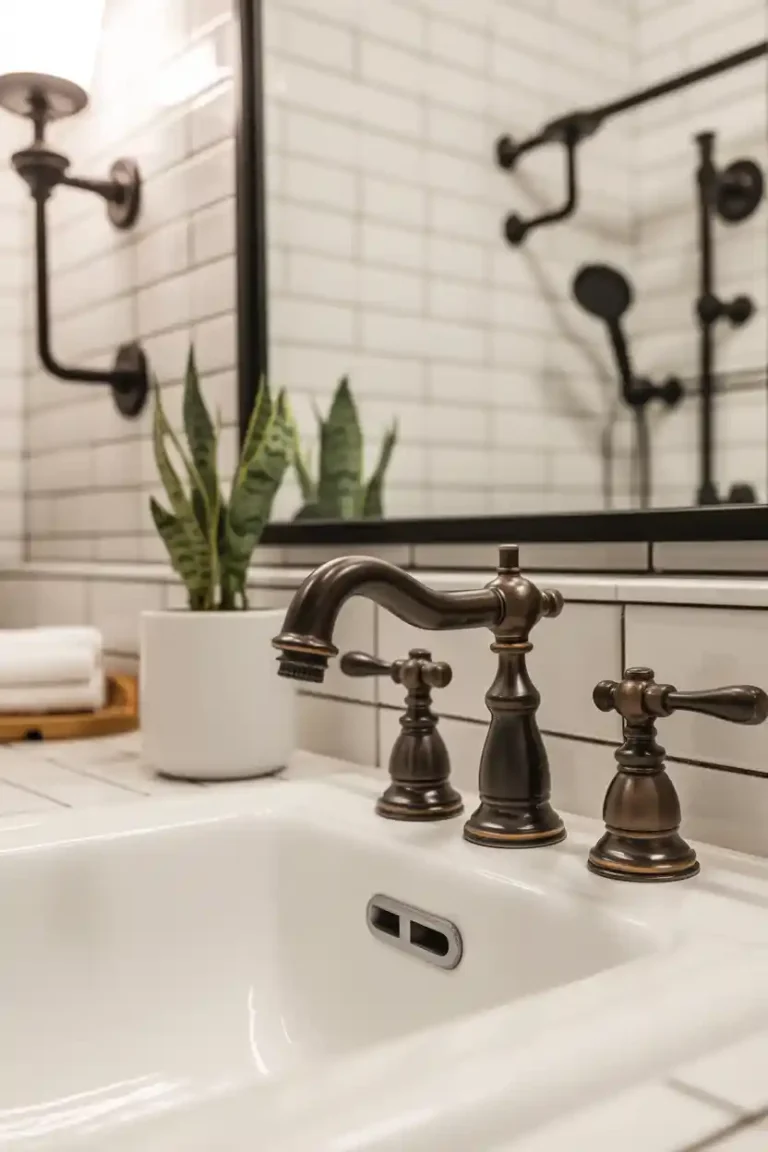
Step 5: Bathroom Makeover with Style and Function

Bathrooms are often overlooked, but they can significantly elevate a home’s overall feel.
In a client-style makeover (even conceptual), consider:
- Space limitations
- Storage requirements
- Desired ambiance (spa-like, vibrant, minimalist)
Modern design lovers may appreciate ideas from bathroom ideas modern. For smaller spaces, clever solutions in small guest bathroom ideas can maximize impact.
Adding plants, textured tiles, and curated decor pieces can transform even the simplest bathroom into a relaxing retreat.
Step 6: Bringing Cohesion Through Color and Decor

One common mistake in makeovers is treating rooms as separate entities. A successful client-style makeover (even conceptual) ensures flow between spaces.
Unified Color Palette
Choose 2–3 core colors and repeat them throughout the home in varying shades. Explore broader inspiration in colorful interior design ideas if your client prefers vibrant spaces, or stick to muted tones for a serene environment.
Wall Treatments and Accents
Wallpaper, paneling, and painted feature walls can add character. For creative applications, see wallpaper home decor or experiment with half-wall paneling for subtle elegance.
Lighting is another unifying element. Layered lighting ambient, task, and accent creates depth and dimension. Thoughtful fixtures can instantly elevate the design.
Step 7: Small Spaces, Big Impact

Many conceptual projects revolve around apartments or compact homes. Designing for small areas requires creativity and strategy.
For layout inspiration, check out small apartment ideas or tips on how to maximize small spaces.
Key strategies include:
- Multi-functional furniture
- Vertical storage
- Light-reflective surfaces
- Minimal clutter
Even in a limited footprint, you can achieve a luxurious and stylish result with thoughtful planning.
Step 8: Personal Touches Make the Difference

The final layer of any client-style makeover (even conceptual) is personalization. This is where the design truly comes alive.
Consider adding:
- Gallery walls
- Family heirlooms
- Custom art
- Indoor plants
Greenery instantly softens a space and adds freshness. You can explore ideas in house plants ideas to integrate nature seamlessly.
Personal details like books, travel souvenirs, or meaningful artwork create authenticity and warmth. Even in a conceptual design, imagining these elements adds realism and emotional depth.
The Importance of Functionality in Every Makeover

A beautiful space that doesn’t function well will quickly become frustrating. Whether you’re redesigning a single room or an entire home, always prioritize usability.
Smart storage, intuitive layouts, and durable materials ensure the space works for everyday life. For deeper guidance on blending practicality with aesthetics, explore ideas that focus on creating spaces that are both beautiful and functional.
Remember: a client-style makeover (even conceptual) is successful when it feels effortless to live in.
Final Thoughts: Designing with Empathy and Intention
A client-style makeover (even conceptual) challenges you to think beyond trends and focus on people. It requires:
- Listening deeply
- Observing habits
- Balancing aesthetics with function
- Creating harmony across spaces
Whether you’re crafting a real-life transformation or building a conceptual design portfolio, the principles remain the same. Define the vision, choose cohesive colors, invest in functional furniture, and layer in meaningful decor.